Reflex Hammers
The difference between the models is the weight and shape of the head — a heavier head gives a more reproducible patellar response, a narrower one reaches the wrist and biceps more easily.
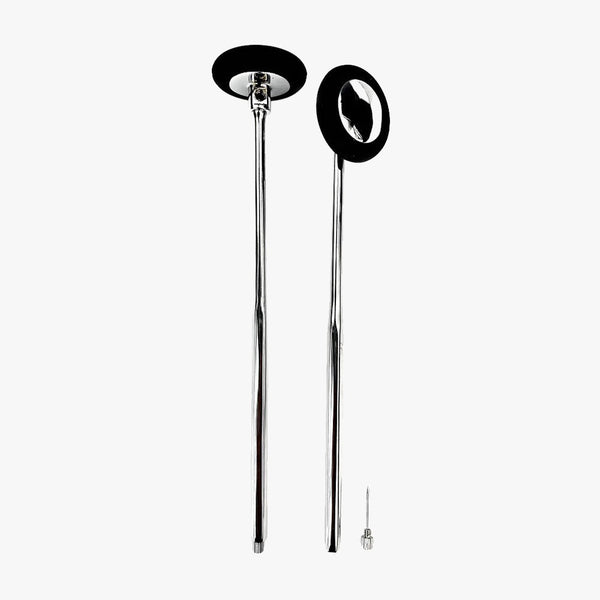
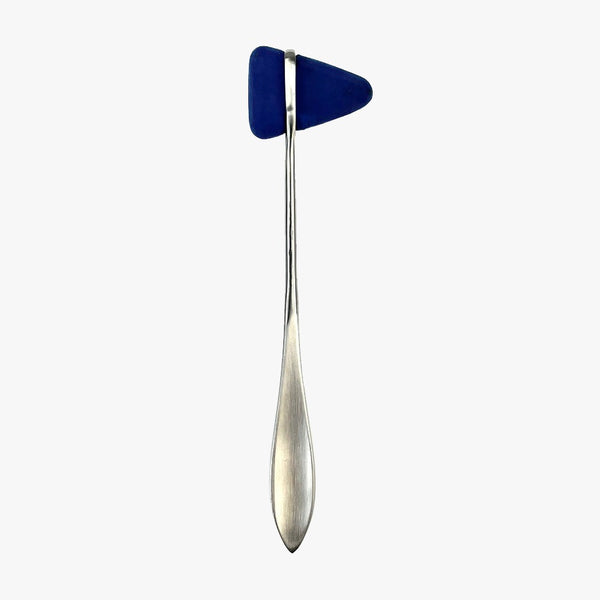
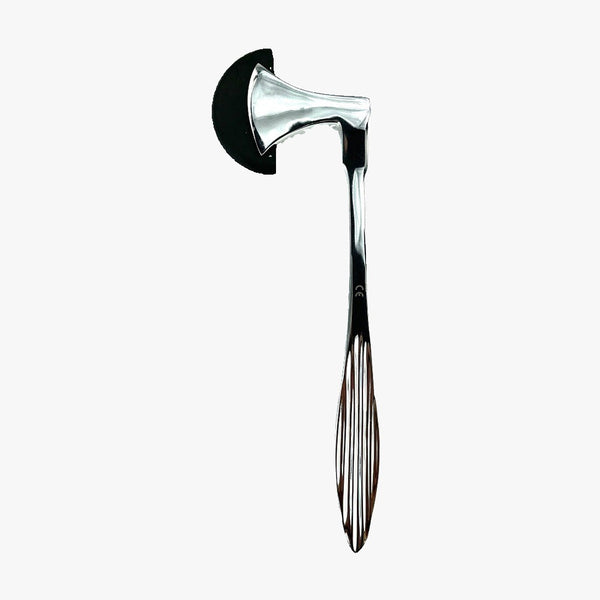
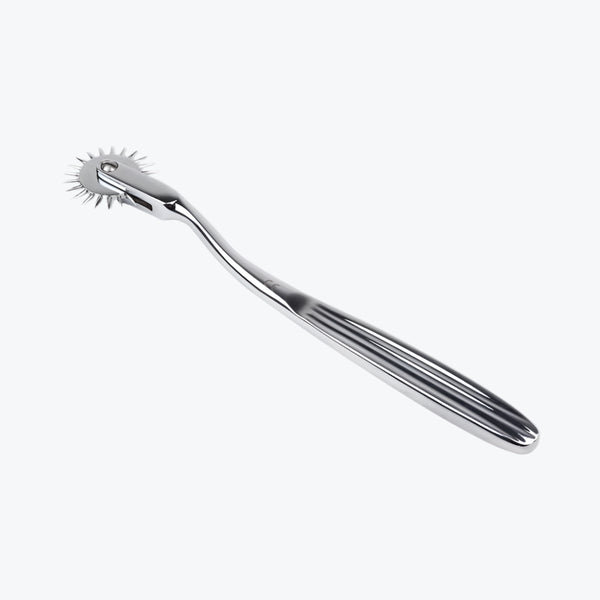
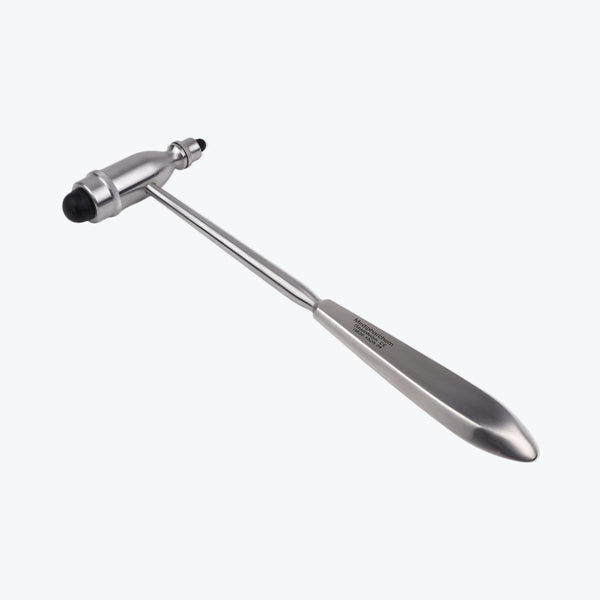
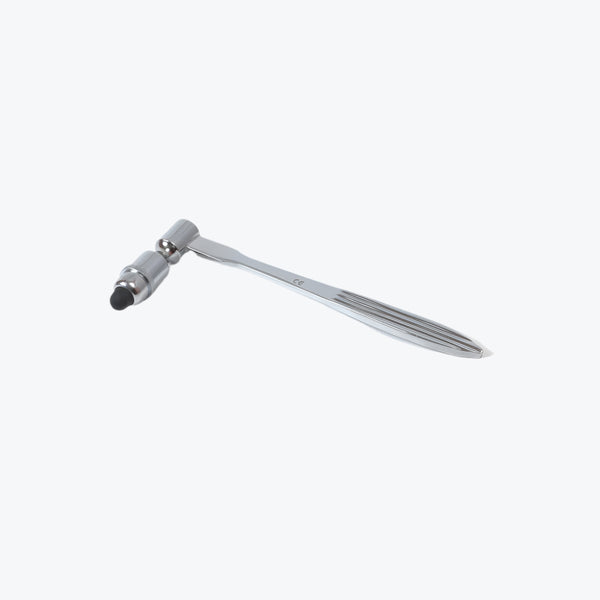
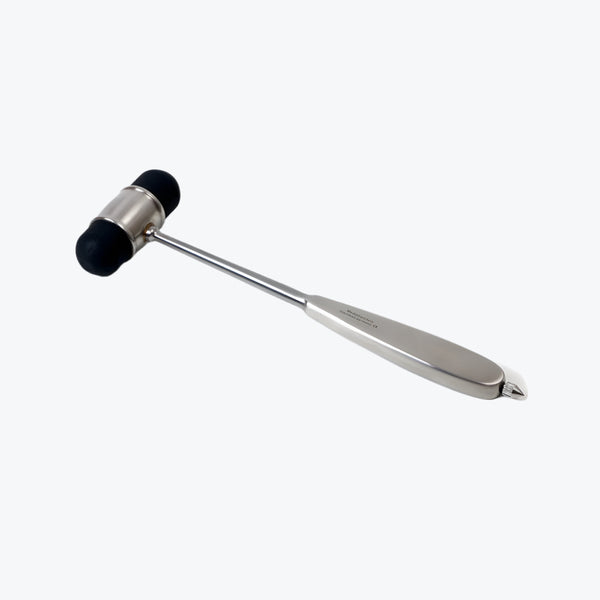
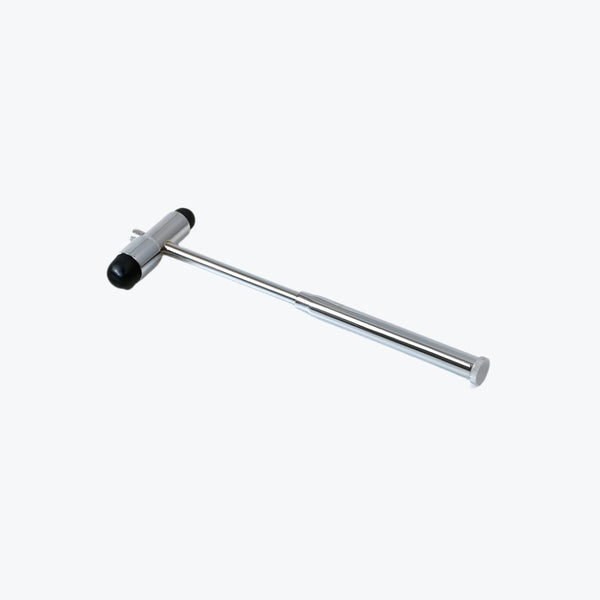
Stainless steel reflex hammers for neurological examination: Babinski with a narrow metal head and rubber ring, Taylor with a triangular rubber head and Berliner with a round rubber pad. Three models in daily use in primary care, neurology clinics and clinical training.
Reflex Hammers — all products
Frequently asked questions about reflex hammers
Which reflex hammer suits medical students best?
Taylor is the most common one during training — short, light and easy to carry. If the hammer is meant to follow you into practice, Babinski is the more durable choice: it handles both the small upper limb reflexes and the patellar reflex, which a light Taylor does not always do as consistently.
Why am I not getting a reflex response?
Usually because the muscle is not relaxed or the point of impact is wrong, not because the reflex is absent. Let the joint hang freely, palpate the tendon first and keep your wrist loose through the strike. If the response still fails: ask the patient to interlock their fingers and pull — the Jendrassik manoeuvre reinforces lower limb responses.
What difference does a heavy versus a light hammer head make?
Weight determines how much force reaches the tendon for the same movement. A heavier head gives a more even, reproducible response in the patellar and Achilles reflexes, while a light head demands more of your technique. A narrow head is in turn easier to place precisely on small tendons.
Can the reflex hammer be disinfected between patients?
Yes. The models are stainless or chromed metal with a rubber component and tolerate wiping with alcohol or surface disinfectant. Wipe the head and shaft between patients in the same way as your other examination instruments.