Blood pressure monitors
The cuff width should be about 40 % of the upper-arm circumference — a cuff that is too narrow gives falsely high readings and one that is too wide falsely low.
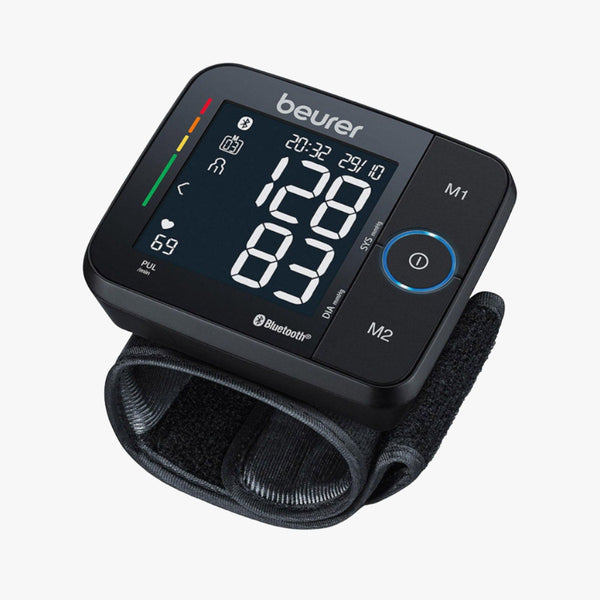
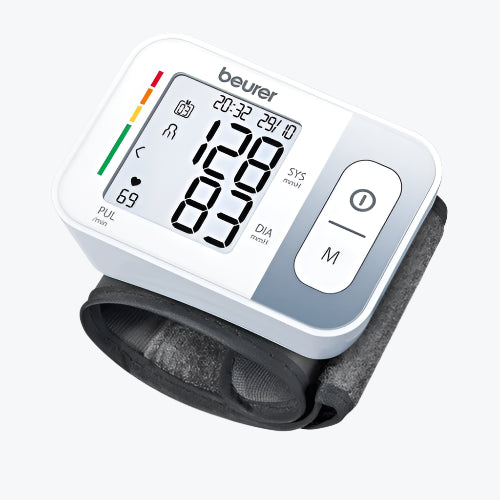
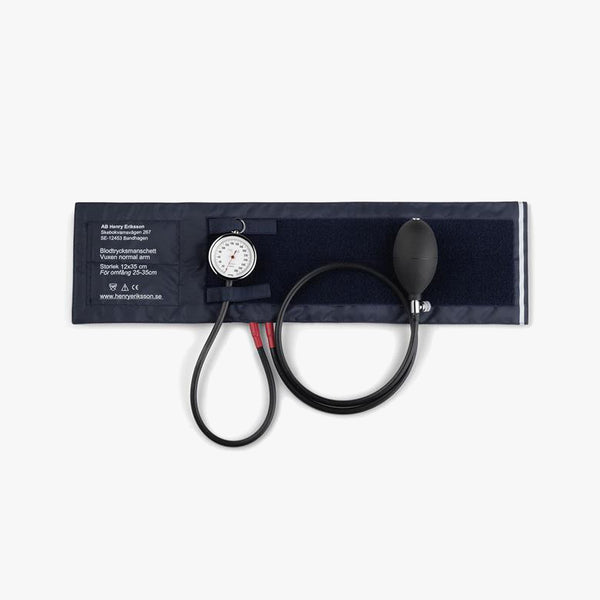
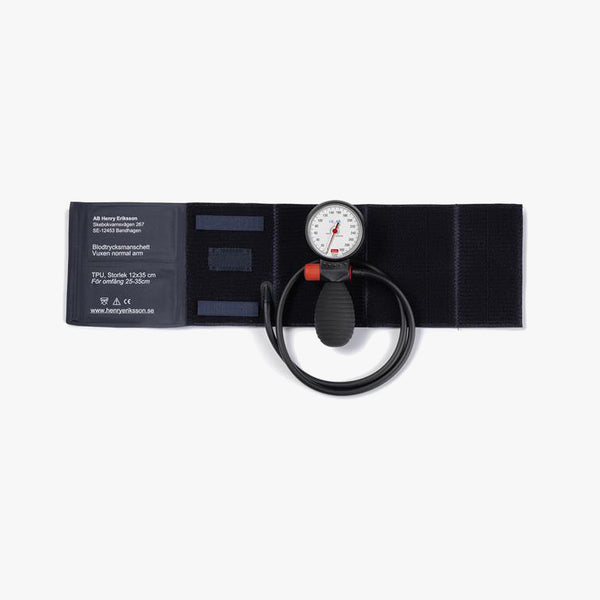
Blood pressure monitors for the clinic, home visits and the emergency bag. Manual upper-arm monitors with a Boso manometer in two cuff sizes, and automatic wrist monitors from Beurer. Chosen by anaesthetists who measure blood pressure every working day.
Blood pressure monitors — all products
Frequently asked questions about blood pressure monitors
Which cuff size should I choose?
The bladder width should be about 40 % of the upper-arm circumference, and its length should encircle around 80 % of it. A 12 x 35 cm cuff is enough for most adults, while 15 x 43 cm is needed for a larger upper arm. Measure the arm instead of guessing — the wrong cuff is the most common cause of inaccurate blood pressure readings.
Are wrist monitors as reliable as upper-arm monitors?
For most healthy adults they give usable readings, provided the wrist is held at heart level and the arm is supported. But in older people with stiff or calcified arteries, wrist measurement can be misleading. If the reading is to form the basis for treatment, upper-arm measurement is still the first choice.
Does a manual blood pressure monitor need calibrating?
Yes. An aneroid manometer contains a spring mechanism that drifts over time, particularly if the equipment is dropped or carried around in a bag. Check it against a reference manometer at regular intervals and replace the cuff when the tubing or bladder leaks — a leaking cuff cannot be compensated for.
Guides for Blood pressure monitors
Jämförelser av utrustningen i den här kategorin, skrivna av våra anestesiologer.
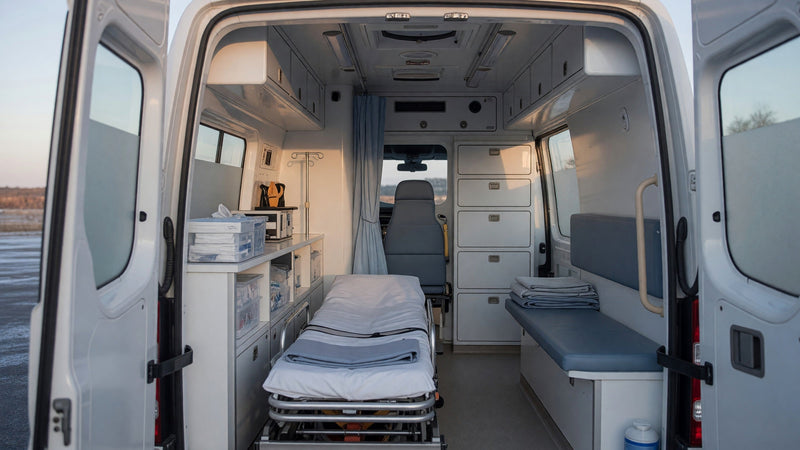
Medicinsk utrustning — guide av anestesiologer
Skrivet av Hjärtgruppens redaktion — anestesiologer och instruktörer inom prehospital akutsjukvård. Senast uppdaterad februari 2026. Rätt medicinsk utrustning kan avgöra utgången i en akut...

Blodtrycksmätare — köpguide för vård och hemmabruk
Att mäta blodtryck är en av de vanligaste kliniska undersökningarna inom sjukvården och ett allt viktigare verktyg för egenvård i hemmet. Men vilken blodtrycksmätare...