EN

Country and language

  • Eget lager i Stockholm
  • Fakturaköp för verksamhet
  • Fri frakt över 1 000 kr
4,784 omdömen på Google order@hjartgruppen.se

Oropharyngeal airways

The correct size is measured from the corner of the patient's mouth to the angle of the jaw, and the airway may only be used in an unconscious patient without a gag reflex.

Oropharyngeal airways that hold the base of the tongue clear to maintain an open airway and allow mask ventilation. Colour-coded Guedel airways from Intersurgical and oropharyngeal airways from Dahlhausen — the full size range from newborn to large adult. Chosen by anaesthetists who secure airways every day.

Filter and sort
Sort

Oropharyngeal airways — all products
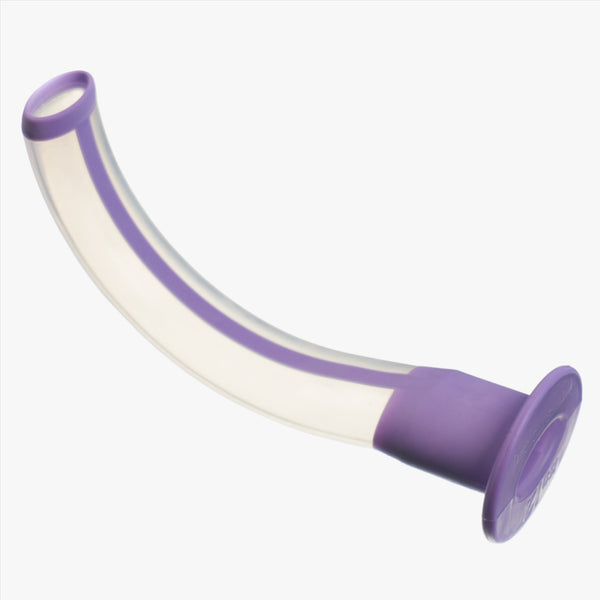
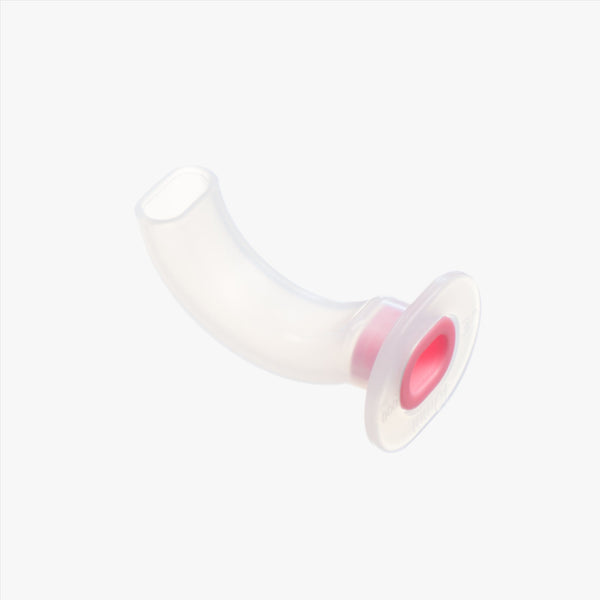
Dalhausen Throat tube Size 000 Pink 4 cmDahlhausen
10 kr8 kr excl. VAT
In stock

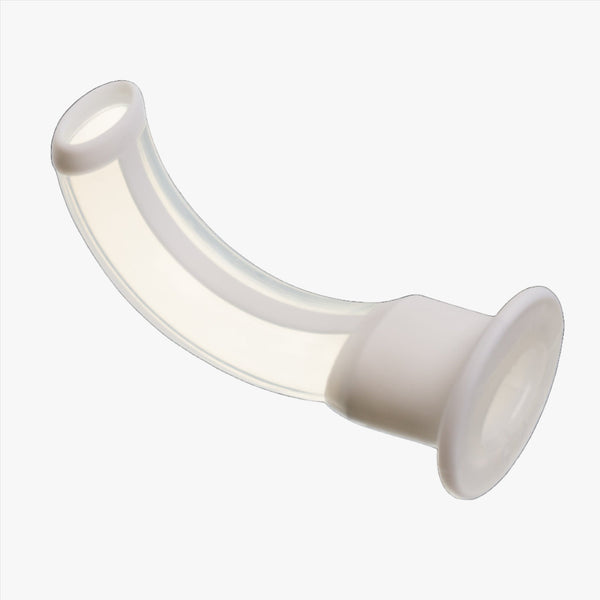
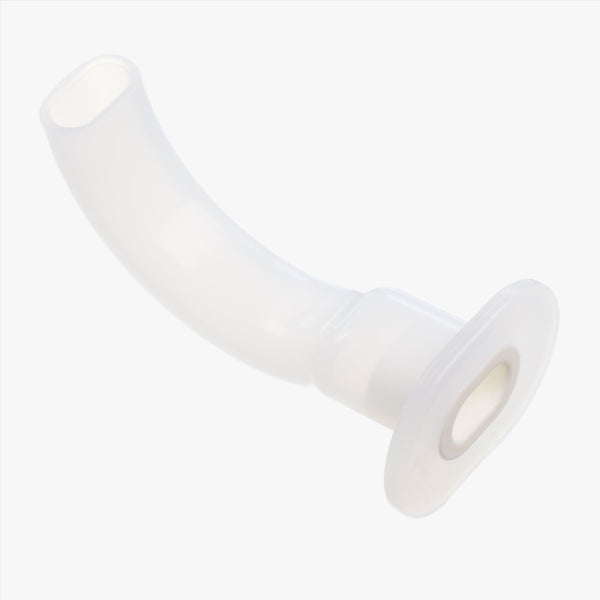
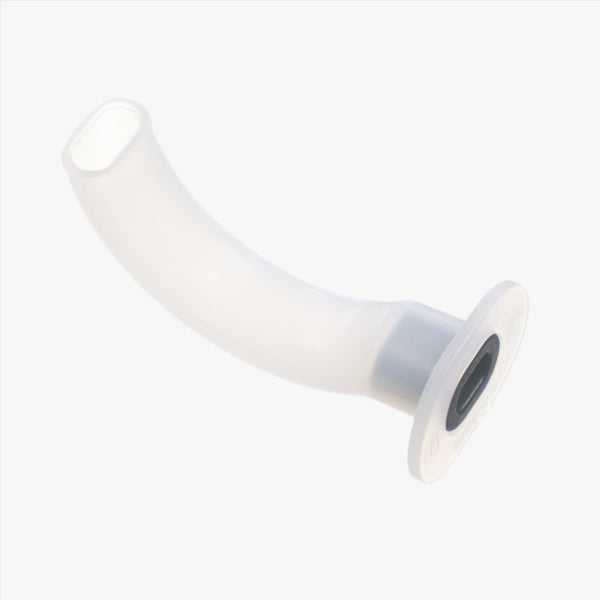
Guedel Pharyngeal tube Size 1 ISO 6.5 White - outgoing colorIntersurgical
13 kr10 kr excl. VAT
In stock

Guedel Pharyngeal Tube Size 5 ISO 12 PurpleIntersurgical
19 kr15 kr excl. VAT
In stock

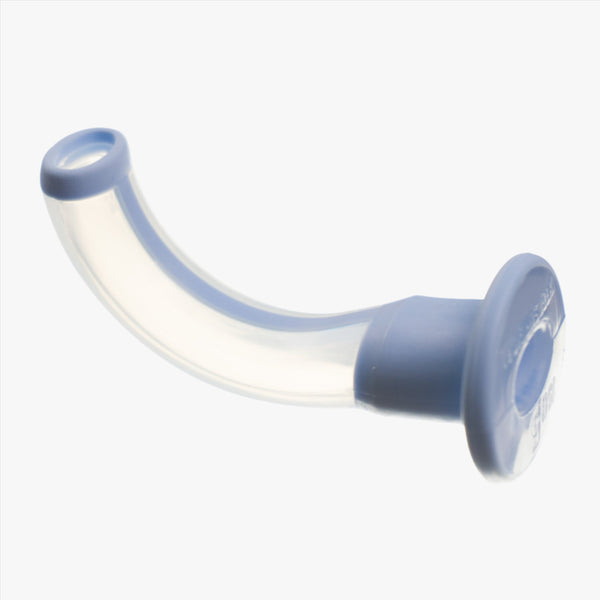
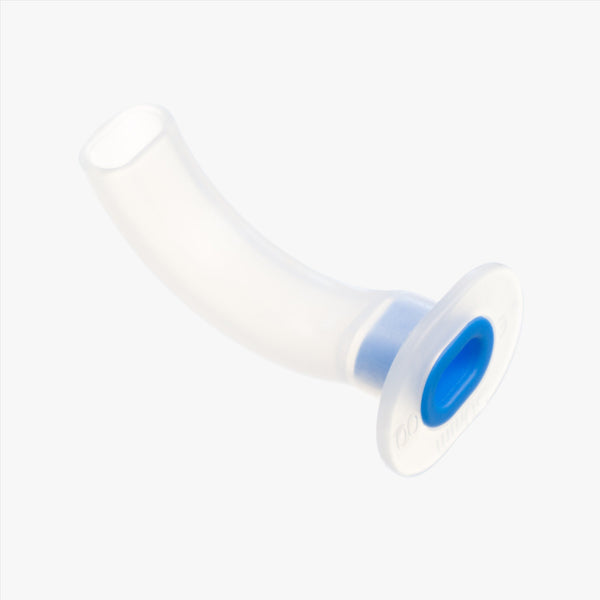
Guedel Pharyngeal Tube Size 00 ISO 5 BlueIntersurgical
16 kr13 kr excl. VAT
In stock

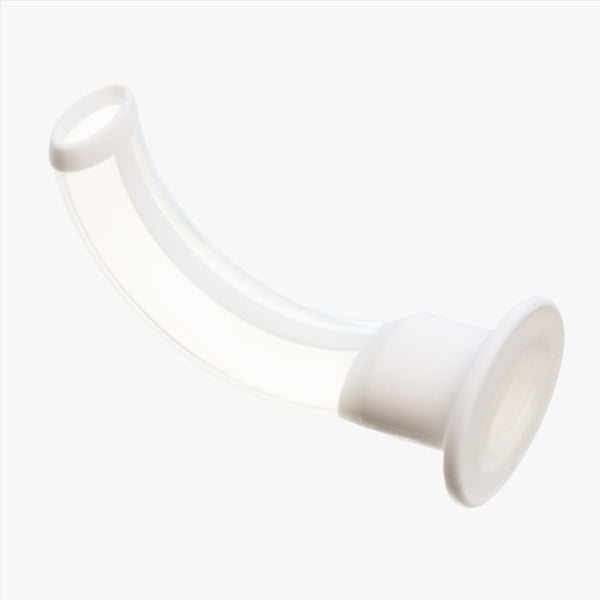
Guedel Pharyngeal Tube Size 1.5 ISO 7 WhiteIntersurgical
16 kr13 kr excl. VAT
In stock

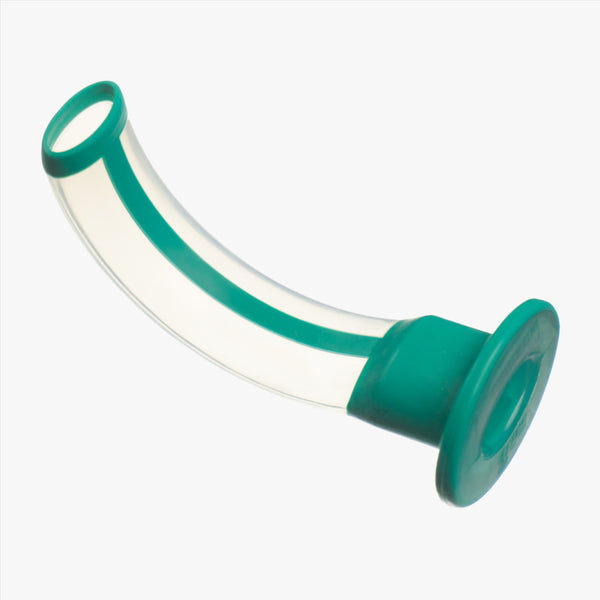
Guedel Oropharyngeal Tube Size 2 ISO 8 GreenIntersurgical
16 kr13 kr excl. VAT
In stock

Popular
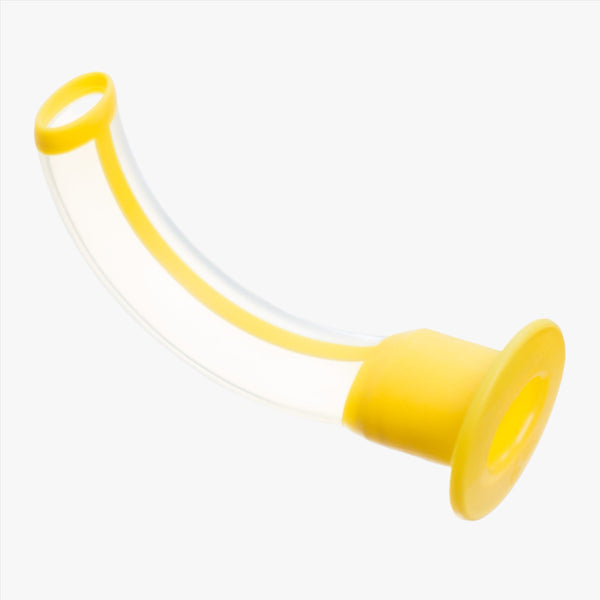
Guedel Pharyngeal Tube Size 3 ISO 9 YellowIntersurgical
16 kr13 kr excl. VAT
In stock

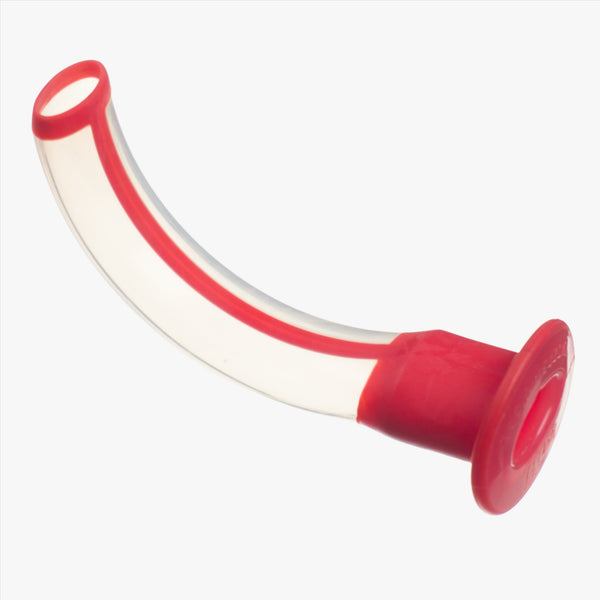
Guedel Pharyngeal Tube Size 4 ISO 10 RedIntersurgical
16 kr13 kr excl. VAT
In stock

Dalhausen Throat tube Size 1 White 7 cmDahlhausen
16 kr13 kr excl. VAT
Temporarily out of stock

Dalhausen Throat tube Size 0 Black 6 cmDahlhausen
16 kr13 kr excl. VAT
Temporarily out of stock

Dalhausen Pharyngeal Tube Size 00 Blue 5 cmDahlhausen
10 kr8 kr excl. VAT
Temporarily out of stock

Sizes and colour codes

The size designation and the length are two different numbers. The Guedel airway is marked with an ISO number giving the length in centimetres — ISO 9 is nine centimetres — while size 3 is the designation. Dahlhausen's airways are marked with the length directly:

  • 000 pink, 4 cm and 00 blue, 5 cm (ISO 5) — newborn and infant
  • 0 black, 6 cm and 1 white — child. Note that size 1 differs between manufacturers: Dahlhausen's is 7 cm, Intersurgical's Guedel is ISO 6.5. Guedel size 1.5 is ISO 7.
  • 2 green, ISO 8 and 3 yellow, ISO 9 — adolescent and smaller adult
  • 4 red, ISO 10 and 5 purple, ISO 12 — adult and large adult respectively

The colours follow the same pattern in both ranges, but they are the manufacturers' own marking and not a guarantee — check the length on the packaging when you mix brands in the same bag.

Choose the size by measuring the airway against the patient's face: from the corner of the mouth to the angle of the jaw. An airway that is too short pushes the base of the tongue backwards and can make the obstruction worse; one that is too long can push the epiglottis down over the laryngeal opening. The colour coding is there so that you can find the right one in the dark and under stress — but always measure against the patient, because the colour says nothing about this particular jaw.

Indication and contraindication

An oropharyngeal airway is used only in an unconscious patient without a gag reflex. If the patient gags, coughs or bites down, the airway is contraindicated — the risk is vomiting, laryngospasm and aspiration. Remove it at once if the reflexes return. The airway does not protect against aspiration, and it does not replace the head tilt and jaw thrust: those manoeuvres must be maintained even with the airway in place. Our guide to the oropharyngeal airway in cardiac arrest describes the insertion technique step by step.

Contact us or request a quote for equipment for an organisation. See also oxygen masks, pocket masks and emergency bags.

Frequently asked questions about oropharyngeal airways

How do I know which size of oropharyngeal airway to choose?

Hold the airway against the patient's cheek and measure from the corner of the mouth to the angle of the jaw — that length is the right size. The colour code gives a quick starting point, but always check against the patient. An airway that is too short pushes the base of the tongue backwards; one that is too long can push the epiglottis down and block the larynx instead of opening the airway. The Guedel airway's ISO number is the length in centimetres, which makes the figure directly comparable with the measurement you took.

When should an oropharyngeal airway not be used?

When the gag reflex is intact. If the patient responds with gagging, coughing or biting, the airway must be removed immediately — otherwise there is a risk of vomiting, laryngospasm and aspiration. An oropharyngeal airway belongs only in the deeply unconscious patient. If the reflexes return during treatment, that is a sign that the airway should come out.

Does an oropharyngeal airway protect against aspiration?

No. It has no cuff and does not seal against the trachea — it only holds the base of the tongue clear so that air can pass. The risk of vomiting remains and the patient must be monitored, with suction available. If protection against aspiration is needed, a laryngeal mask or intubation is required, not an oropharyngeal airway.

Guides for Oropharyngeal airways

Jämförelser av utrustningen i den här kategorin, skrivna av våra anestesiologer.

Alla 43 guider →
Mejla er artikellistaVi packar traumakit efter er lista — mejla den så återkommer vi med pris.