Oxygen masks
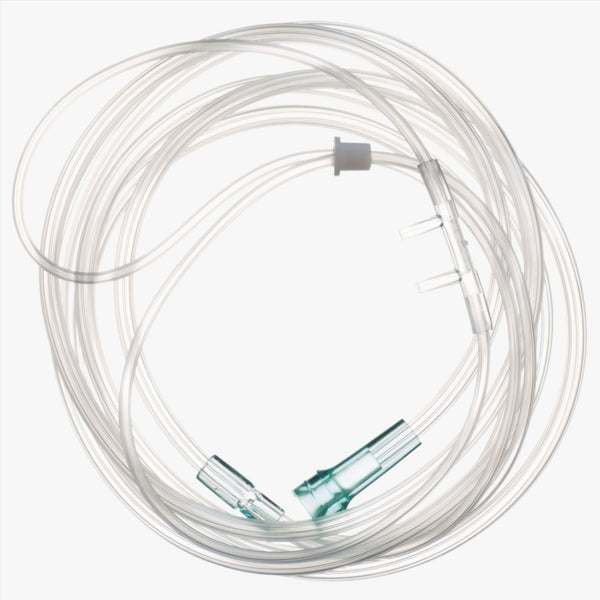
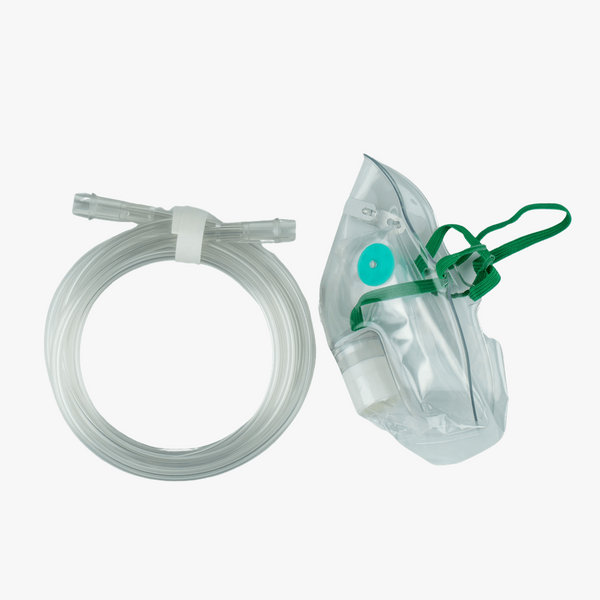
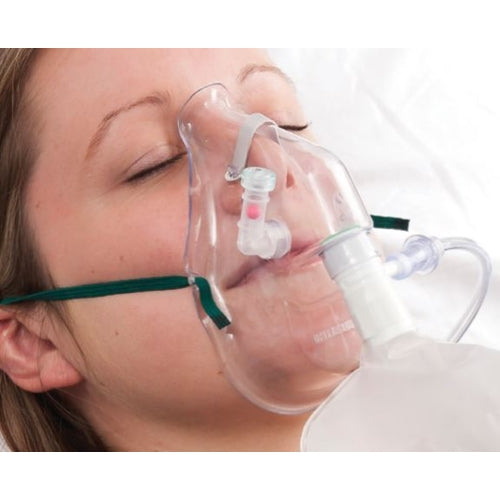
A cannula gives roughly 24–44 % oxygen at 1–6 l/min, a simple mask 40–60 % at 5–10 l/min and a non-rebreather mask up to around 90 % at 10–15 l/min.
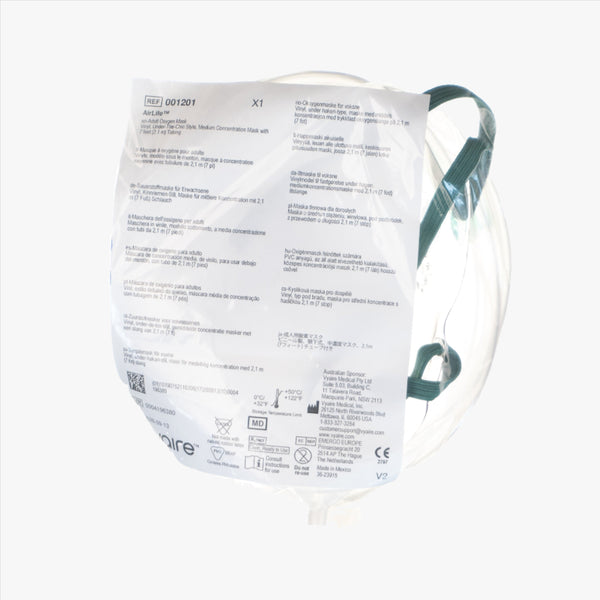
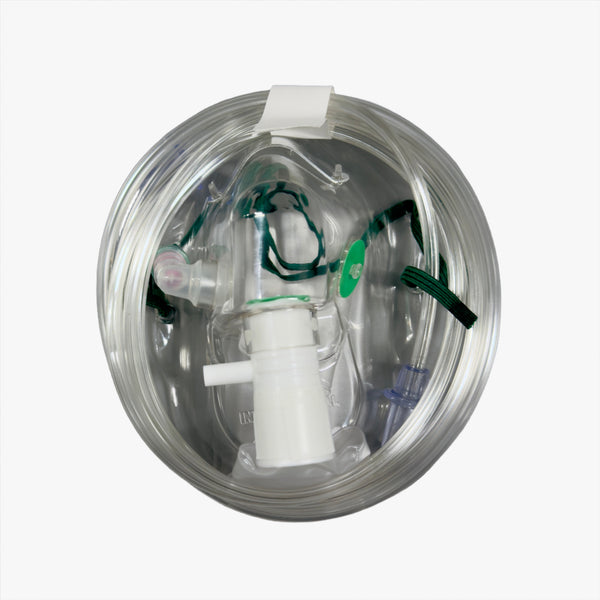
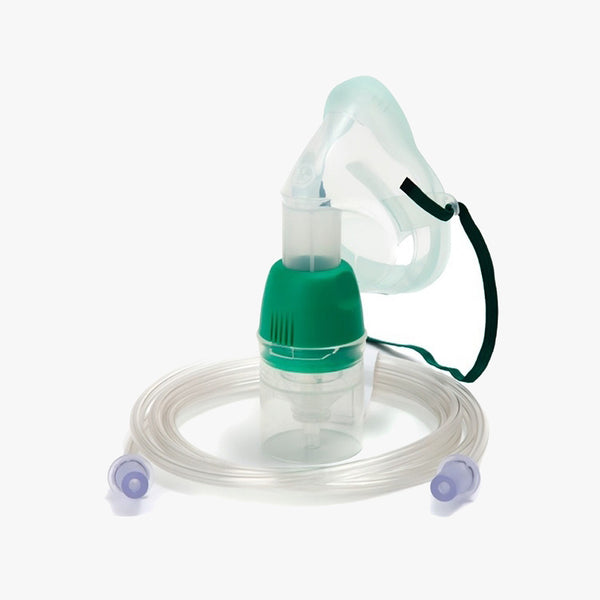
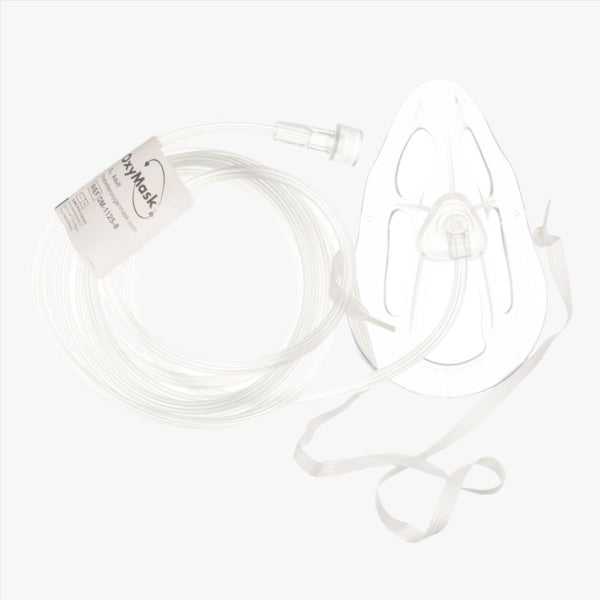
Oxygen masks and cannulas for emergency care, clinics and ambulances. Non-rebreather mask, nasal cannula, open OxyMask and nebuliser kits — all with 2.1 m tubing. Chosen by anaesthetists who prescribe and give oxygen every day.
Oxygen masks — all products
Frequently asked questions about oxygen masks
What is the difference between a non-rebreather mask and an ordinary oxygen mask?
The non-rebreather mask has a bag that fills with oxygen between breaths and valves that limit the entrainment of room air. It therefore delivers a considerably higher oxygen concentration — up to around 90 % at 10–15 l/min — against 40–60 % for a simple mask. The reservoir must be filled before the mask is put on the patient.
How many litres should a nasal cannula run at?
Between 1 and 6 l/min. Each extra litre raises the oxygen concentration by roughly four percentage points from the starting point of 21 %, but above 6 l/min the flow gives no further effect and dries out the nasal mucosa. If more oxygen is needed, change to a mask rather than turning the cannula up.
When does an open mask such as OxyMask suit best?
When the requirement may change and you want to avoid swapping equipment: the same mask covers both low and high flows. The open construction lets the patient talk, cough and drink, and feel less confined — often the difference between a mask that stays on and one that is pulled off.
Guides for Oxygen masks
Jämförelser av utrustningen i den här kategorin, skrivna av våra anestesiologer.