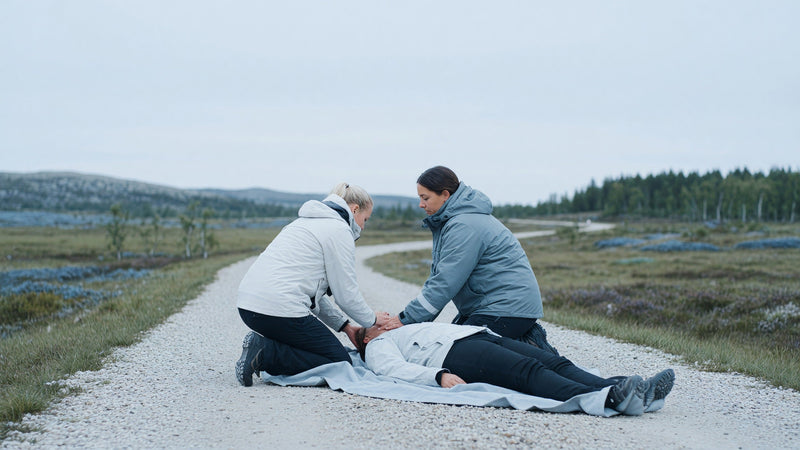
Immobilisation Equipment
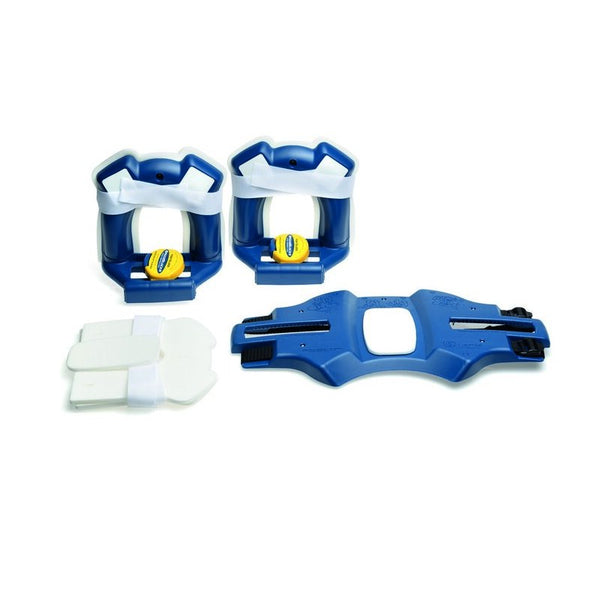
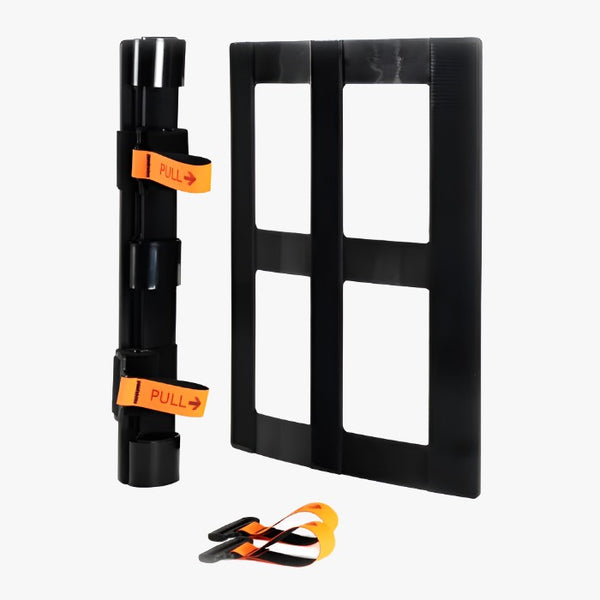
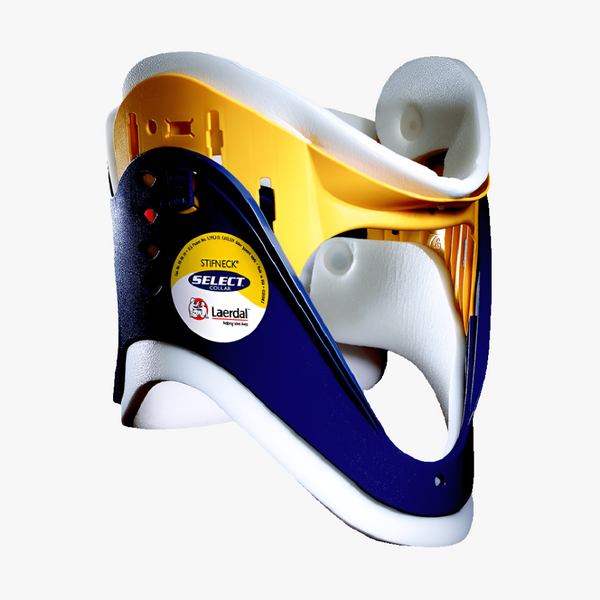
Immobilisation equipment limits movement of an injured body part or supports trained personnel during safe movement. Find splints, slings, collars, spineboards and accessories.
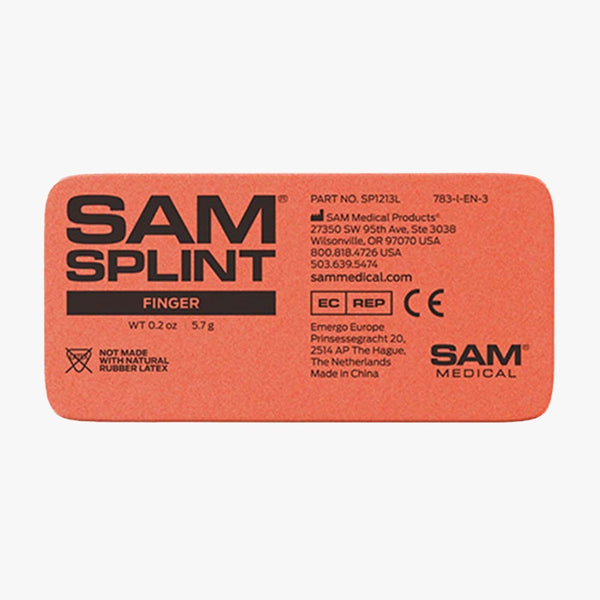
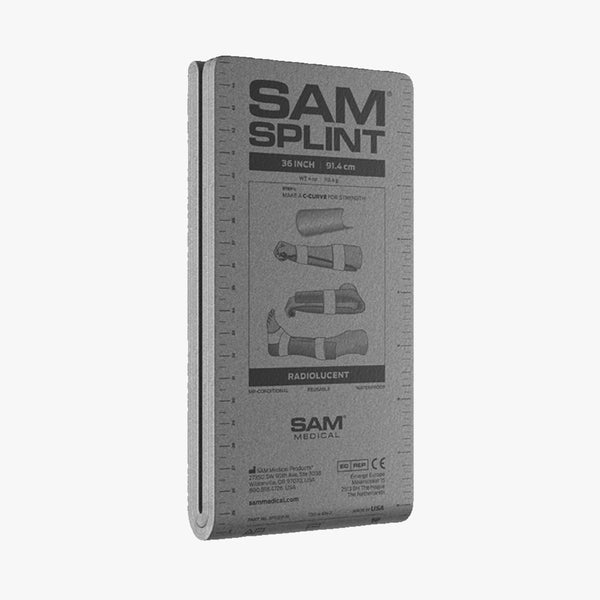
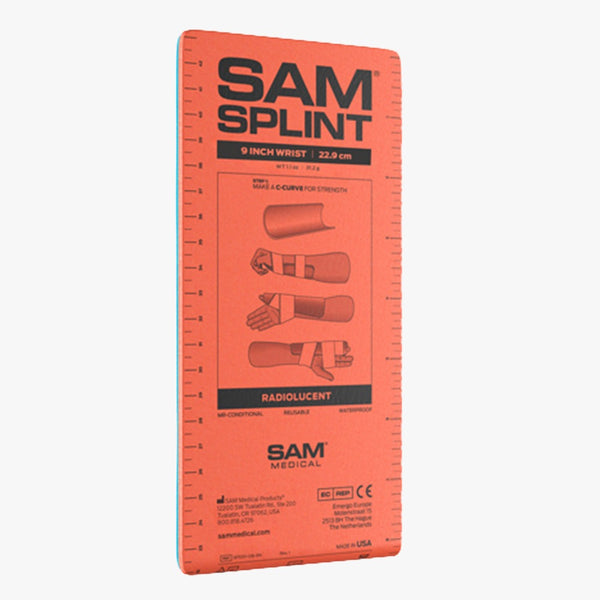
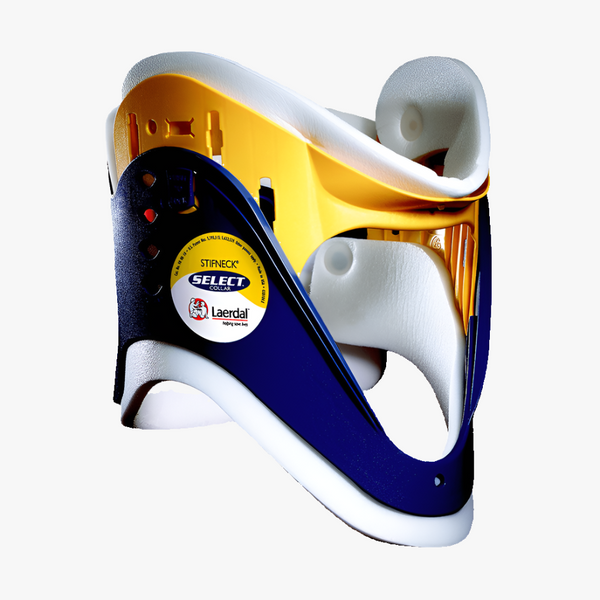
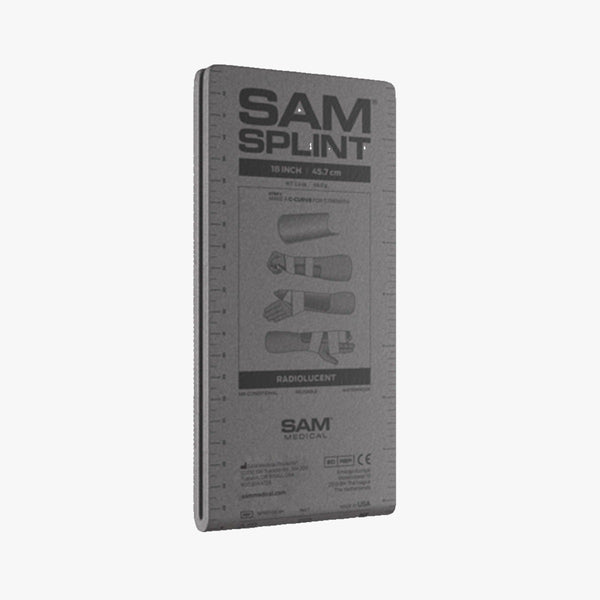
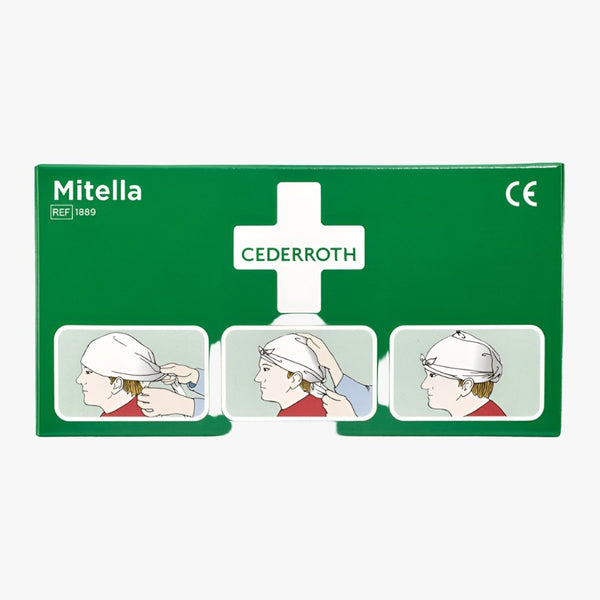
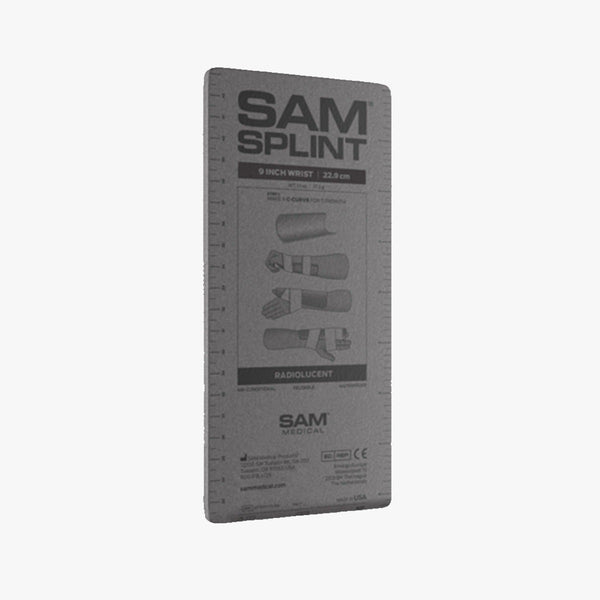
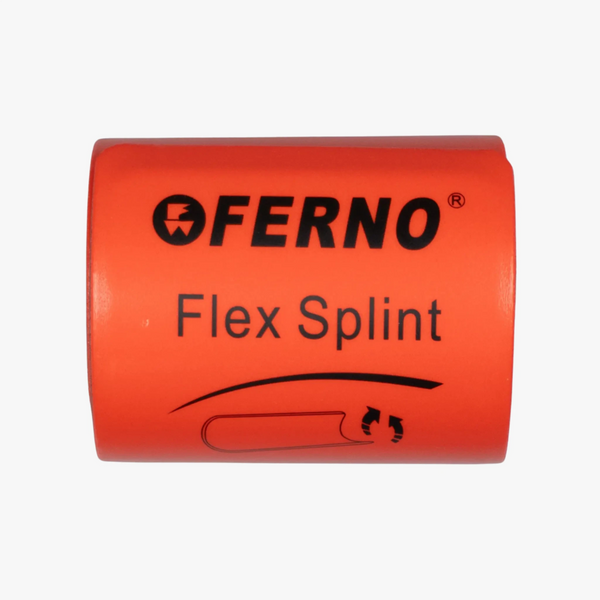
Choose immobilisation equipment according to intended use, training level and local protocol. The range covers mouldable limb splints, arm slings, adjustable cervical collars and equipment for movement and evacuation. Products do not replace injury assessment or medical care.
Immobilisation Equipment — all products

Frequently asked questions about immobilisation equipment
What does immobilisation mean?
Immobilisation means limiting movement in an injured body part. It may involve a splint around an arm or leg, support from a sling or professional equipment during movement. The objective and method depend on the injury, the situation and the user's training. Equipment does not replace medical assessment.
What is the difference between immobilisation and a splint?
Immobilisation is the overall objective: limiting movement. A splint is one of several product types that can help achieve it. Slings, cervical collars, head supports and harness systems also belong to the category, but serve different purposes and require different levels of training.
Does our workplace need a spineboard?
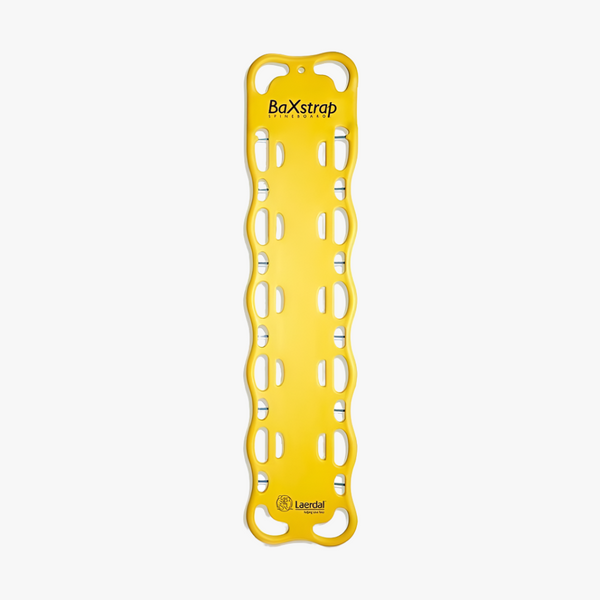
Most ordinary workplaces do not need a spineboard. It requires training, several helpers and a plan for safe movement. A well-planned first-aid kit and clear emergency procedures are often more important. Rescue teams and high-risk workplaces should select equipment through risk assessment and practised protocols.
What equipment supports suspected arm and leg injuries?
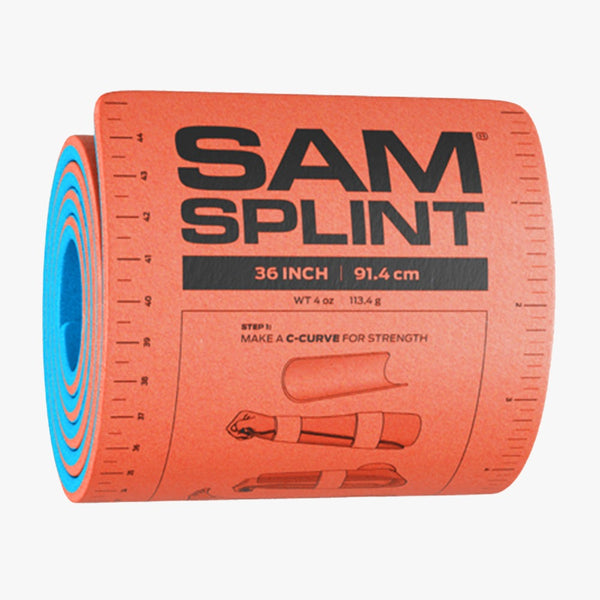
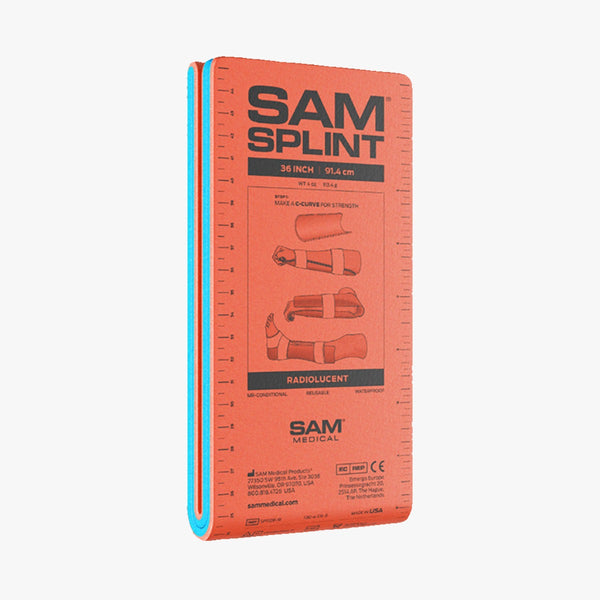
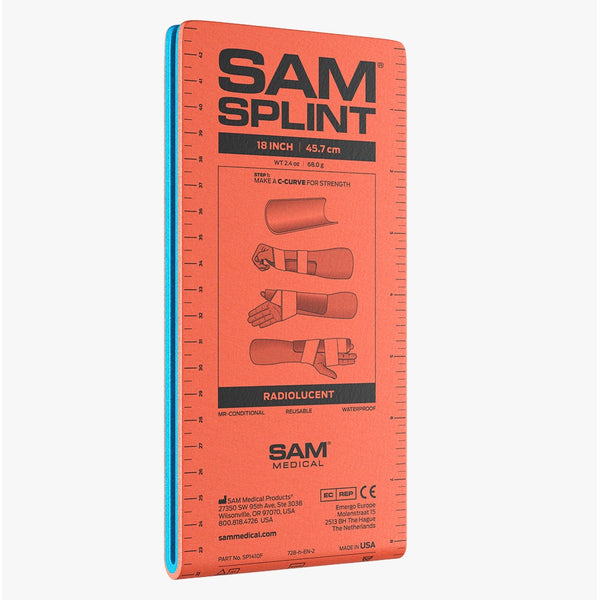
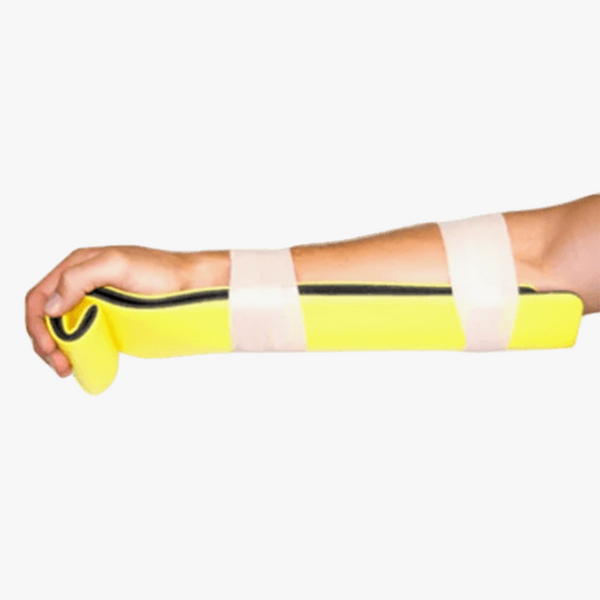
Needs depend on risks and competence. A mouldable splint, soft padding, elastic bandage and sling cover several basic support requirements without taking up much room. Healthcare and rescue organisations may need several sizes and additional movement equipment. Check products regularly and ensure that personnel know how to use them.
What should I do if I suspect a fracture?
Prioritise life-threatening conditions and call the emergency services if the person is seriously unwell or cannot be moved safely. Support the injured part in the least painful position, avoid unnecessary movement and do not straighten a deformity. Cover an open wound, control severe bleeding and arrange medical assessment.
Guides for Immobilisation Equipment
Jämförelser av utrustningen i den här kategorin, skrivna av våra anestesiologer.