EN

Country and language

  • Eget lager i Stockholm
  • Fakturaköp för verksamhet
  • Fri frakt över 1 000 kr
4,784 omdömen på Google order@hjartgruppen.se

Wound cleansing

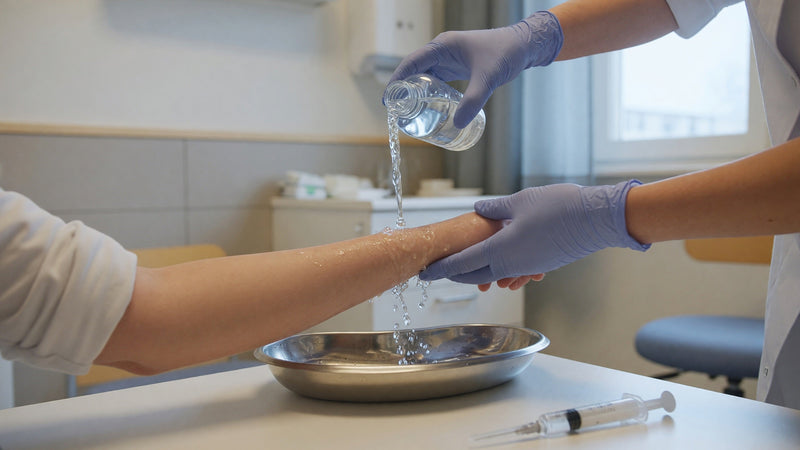
Most wounds are cleaned with running tap water or sodium chloride 9 mg/ml. Chlorhexidine solution is used when the wound is contaminated or the risk of infection is judged to be raised.

Irrigation solution, chlorhexidine solution and wound cleansing wipes for cleaning before the wound is dressed. Sodium chloride 9 mg/ml in 250–1,000 ml, chlorhexidine 1 and 2 mg/ml, and single-use wipes for the first aid bag. From Fresenius Kabi, B. Braun, Cederroth, Vitri and Steroplast.

Filter and sort
Sort

Wound cleansing — all products
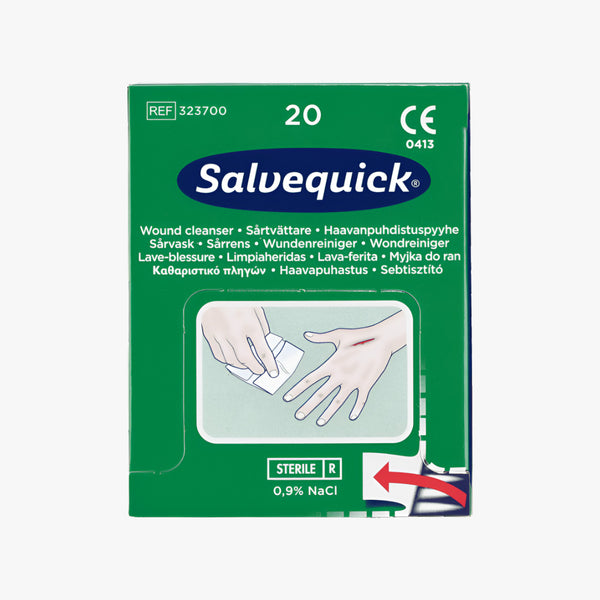
Cederroth Wound Washer 20Cederroth
56 kr45 kr excl. VAT
4 left

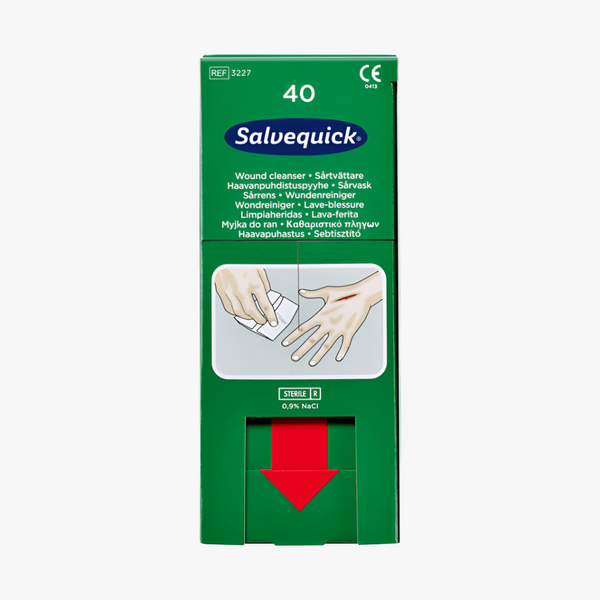
Cederroth Wound Washer 40Cederroth
144 kr115 kr excl. VAT
2 left

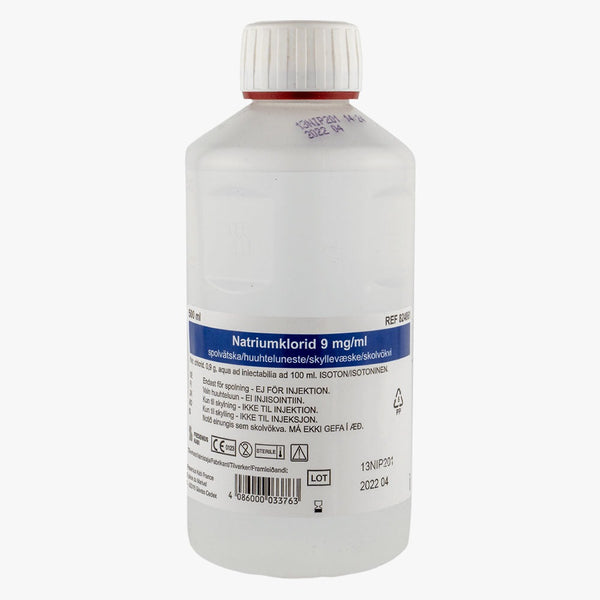
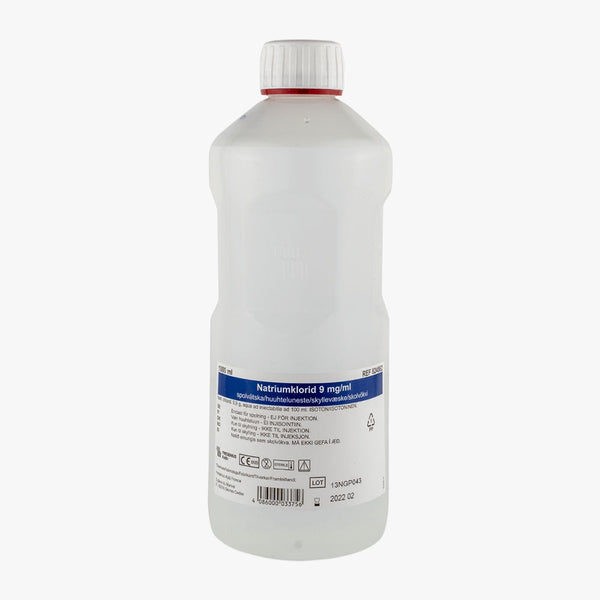
Fresenius Kabi Sodium Chloride 9 mg/ml 500 mlFresenius Kabi
45 kr36 kr excl. VAT
5 left

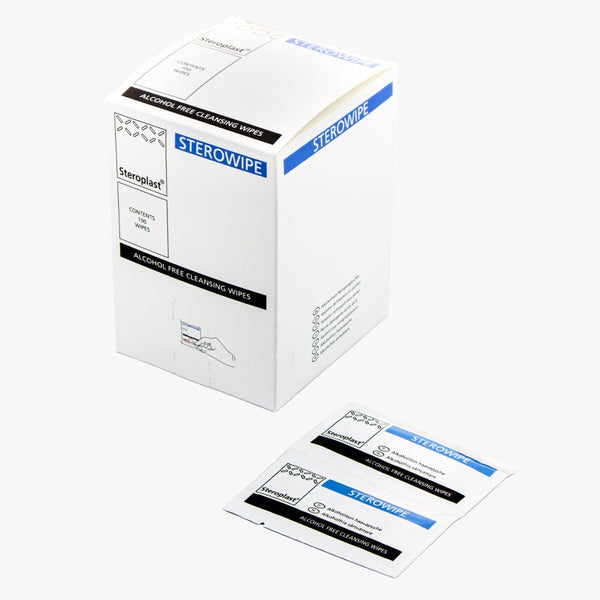
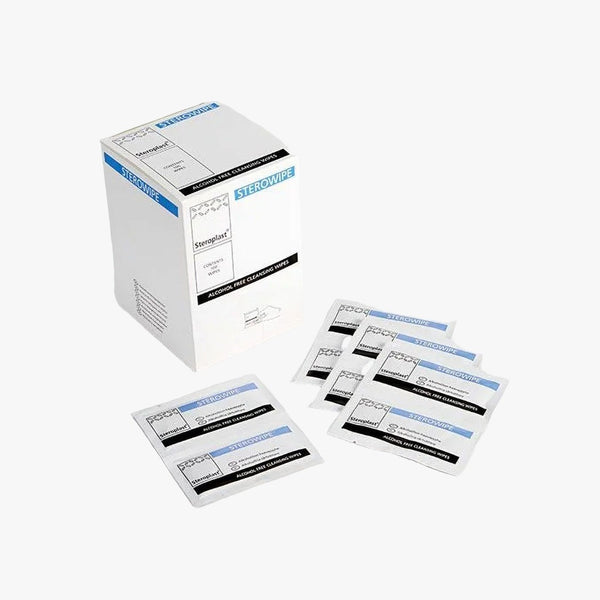
Steroplast Sterowipe Wound wash Alcohol-free 2 packSteroplast
255 kr204 kr excl. VAT
In stock

Popular
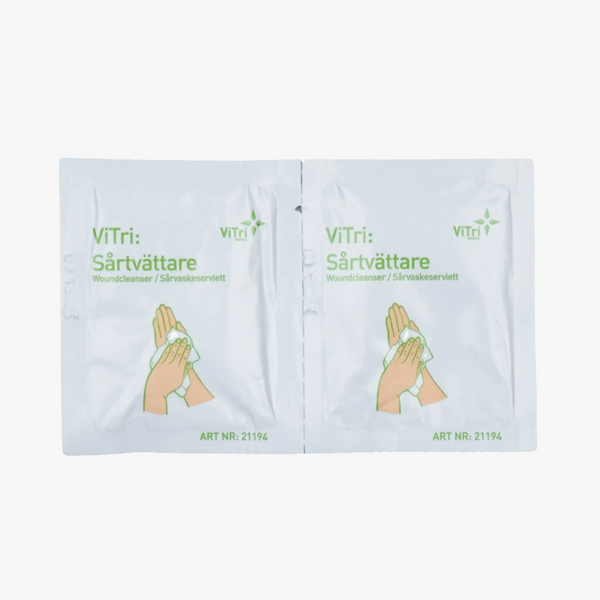
ViTri wound-cleansing wipes with chlorhexidine 13 × 20 cm – pack of 10Vitri
50 kr40 kr excl. VAT
In stock

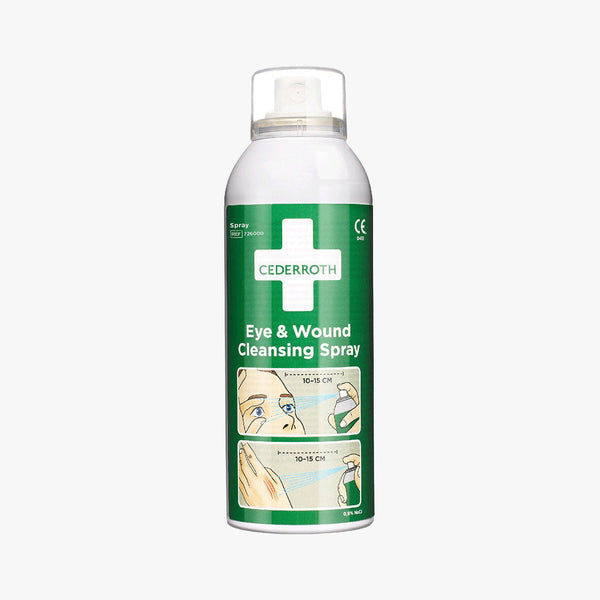
Cederroth Eye & Wound Cleansing Spray 150 mlCederroth
128 kr103 kr excl. VAT
In stock

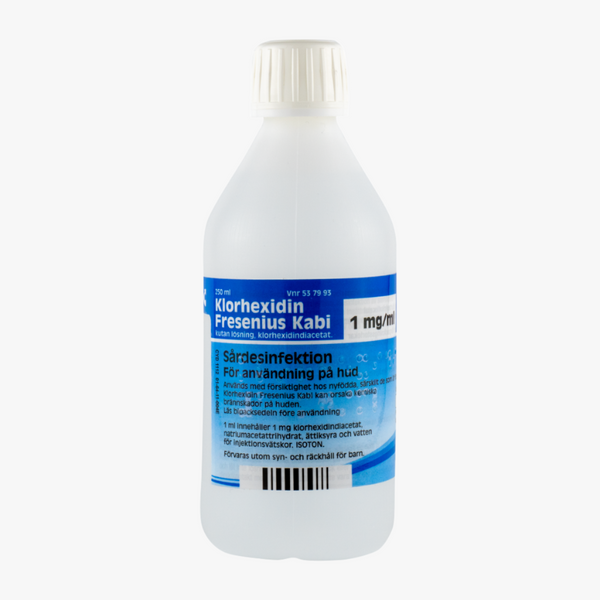
Fresenius Kabi Chlorhexidine 1 mg/ml 250 mlFresenius Kabi
60 kr48 kr excl. VAT
Temporarily out of stock

Steroplast Sterowipe Wound wash Alcohol-free 100 pcsSteroplast
249 kr199 kr excl. VAT
Temporarily out of stock

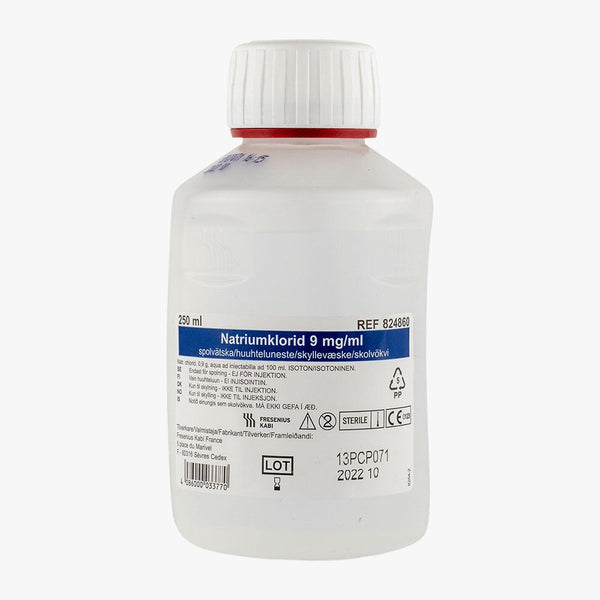
Fresenius Kabi Sodium Chloride 9 mg/ml 250 mlFresenius Kabi
40 kr32 kr excl. VAT
Temporarily out of stock

Fresenius Kabi Sodium Chloride 9 mg/ml 1000 mlFresenius Kabi
55 kr44 kr excl. VAT
Temporarily out of stock

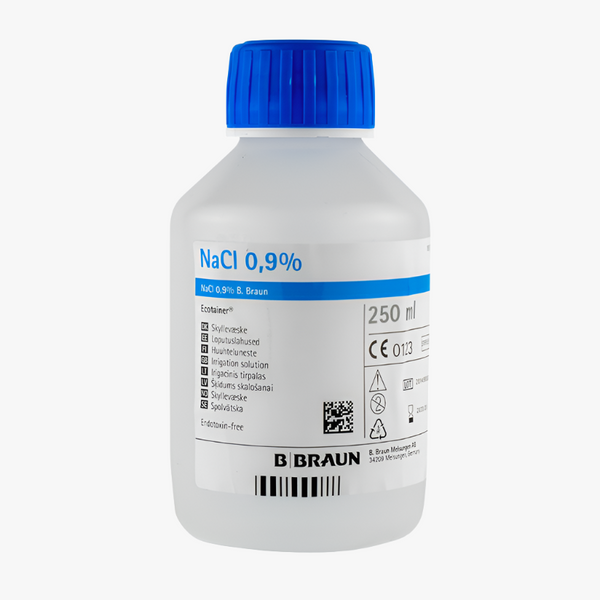
Braun Sodium chloride 9 mg/ml 250 mlB Braun
55 kr44 kr excl. VAT
Temporarily out of stock

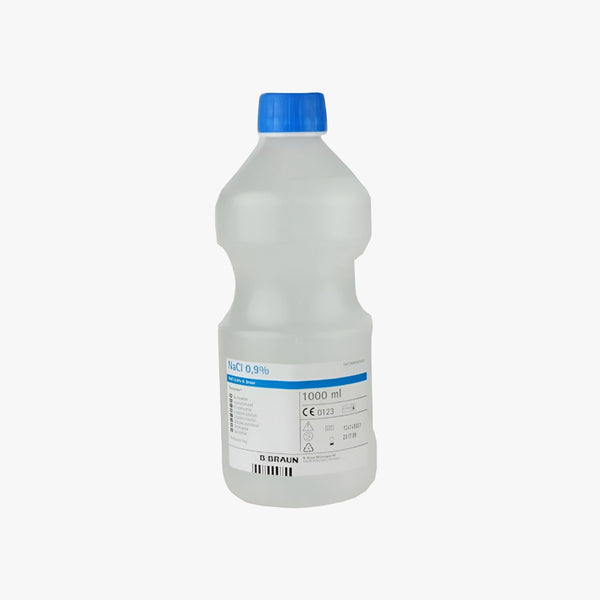
Braun Sodium chloride 9 mg/ml 1000 mlB Braun
70 kr56 kr excl. VAT
Temporarily out of stock

Chlorhexidine Fresenius Kabi 2 mg/ml 250 mlFresenius Kabi
56 kr45 kr excl. VAT
Temporarily out of stock

Saline or chlorhexidine?

Sodium chloride 9 mg/ml is isotonic — it does not sting and therefore suits children, eye irrigation and plain flushing of wounds alike. It is the first choice for ordinary cleaning, and running tap water works just as well in practice on a fresh, superficial wound.

Chlorhexidine solution is chosen when the wound is contaminated, when some time has passed before it was cleaned, or when the risk of infection is judged to be raised. The solution comes in 1 and 2 mg/ml — follow your own organisation's routine for which concentration applies where you are. Chlorhexidine must never go in the eyes or the ears.

Wound cleansing wipes solve the field problem: they need no opened bottle and lie ready in the bag. Alcohol-free versions sting considerably less — a difference that shows on children.

Hydrogen peroxide, hand sanitiser and aluminium acetate spirit do not belong in an open wound; they damage the very tissue that has to heal. Our guide to chlorhexidine and wound cleansing goes through the steps and why aluminium acetate spirit has had to give way.

Size and shelf life

Irrigation solution in 1,000 ml is the cheapest per litre but loses its sterility once the bottle has stood open — for occasional use and a first aid station, 250 ml or single-use wipes are the more economical choice. Clinics that irrigate daily buy the large packs.

Restocking a store cupboard? Contact us or request a quote. See also gauze swabs, gloves and suture strips.

Frequently asked questions about wound cleansing

Can you clean a wound with ordinary tap water?

Yes. On a fresh, superficial wound, running tap water of drinking quality is perfectly sufficient, and the volume of water matters more than what you irrigate with. Sodium chloride 9 mg/ml is preferable when the wound is deeper, when it lies close to the eye, or when there is no clean tap nearby.

Should chlorhexidine be used on every wound?

No. Clean, fresh wounds only need irrigating. Chlorhexidine is used when the wound is contaminated, when time has passed before cleaning, or when the risk of infection is judged to be raised. It must never go in the eyes or the ears, and it does not replace mechanical cleaning — dirt has to be flushed or picked out.

How long does an opened bottle of irrigation solution last?

Assume the sterility is spent as soon as the bottle has been opened and left standing. For a first aid station or a bag that is used rarely, smaller packs or single-use wipes are therefore both safer and cheaper in the long run. Always check the expiry date at the regular review of the bag.