Cutting tools
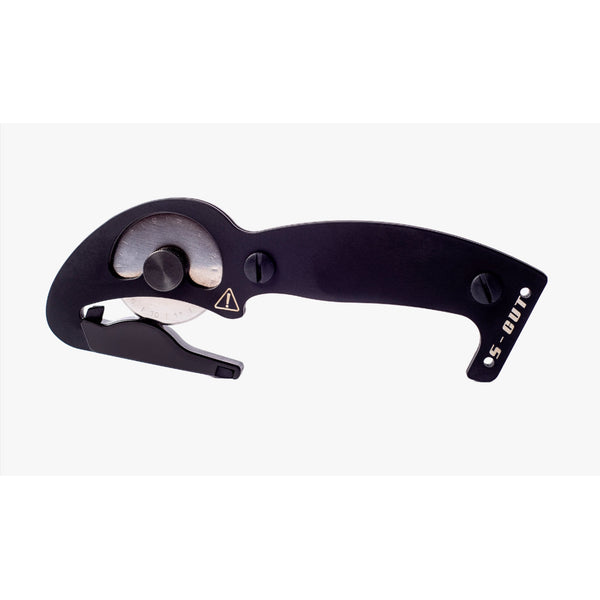
A cutting tool opens up clothing and seat belts with a shielded blade, so the patient can be examined without the scissors risking injury to the skin.
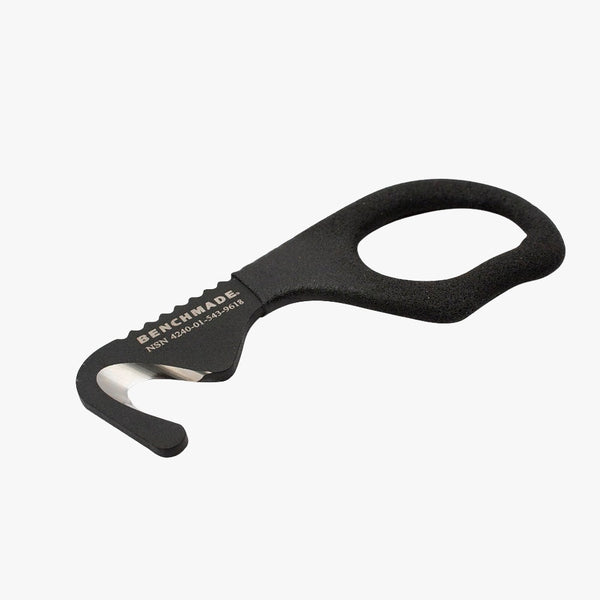
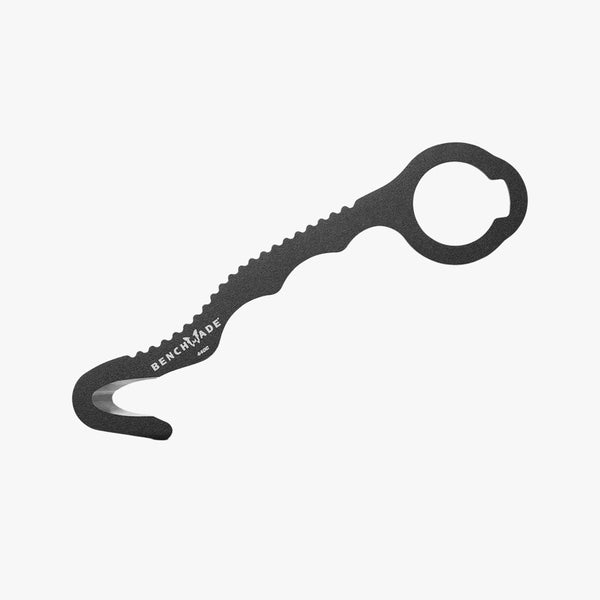
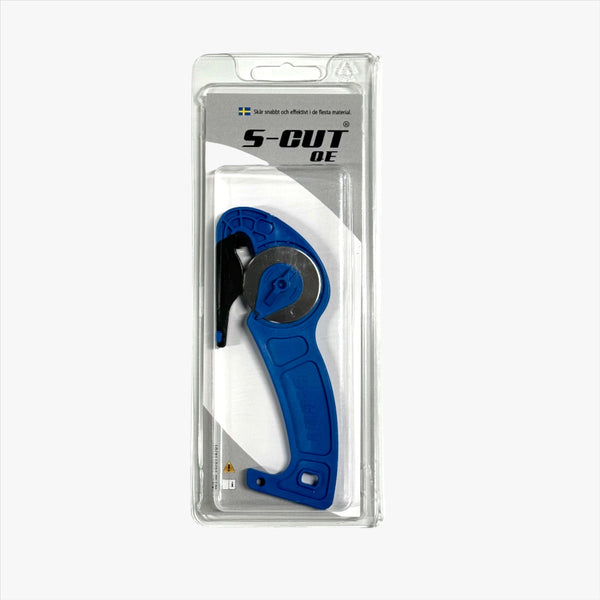
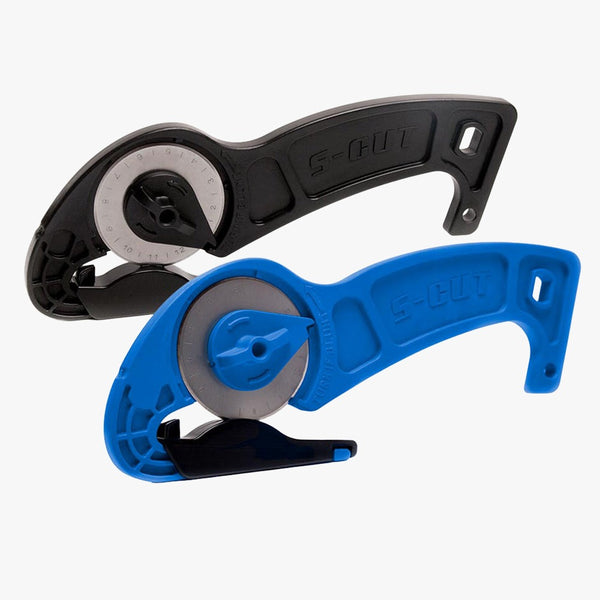
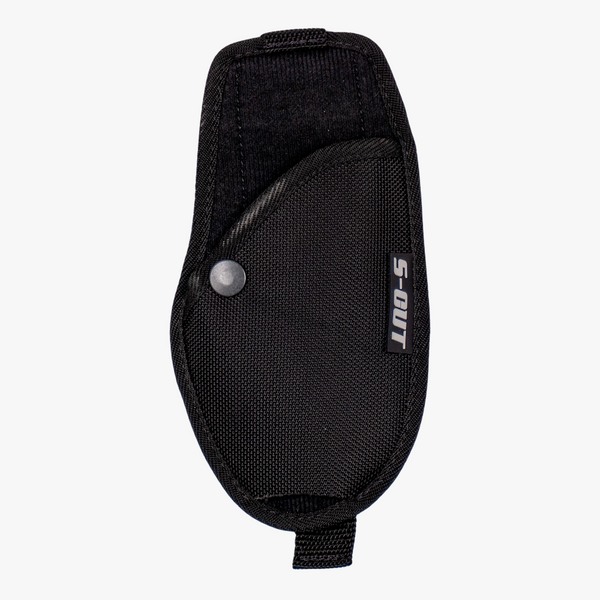
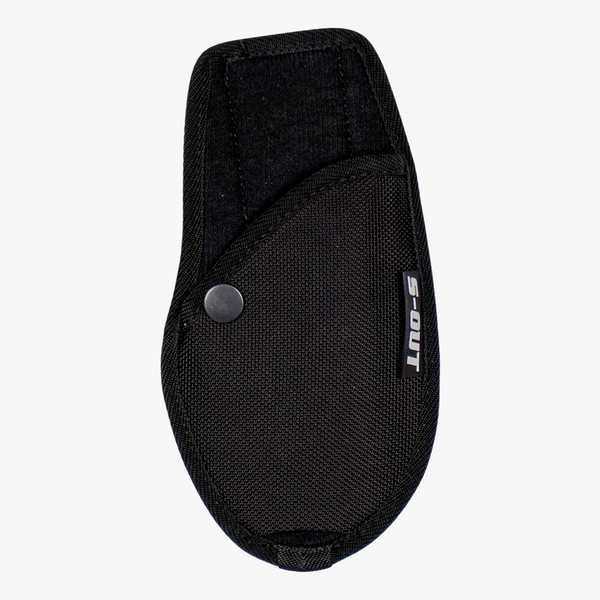
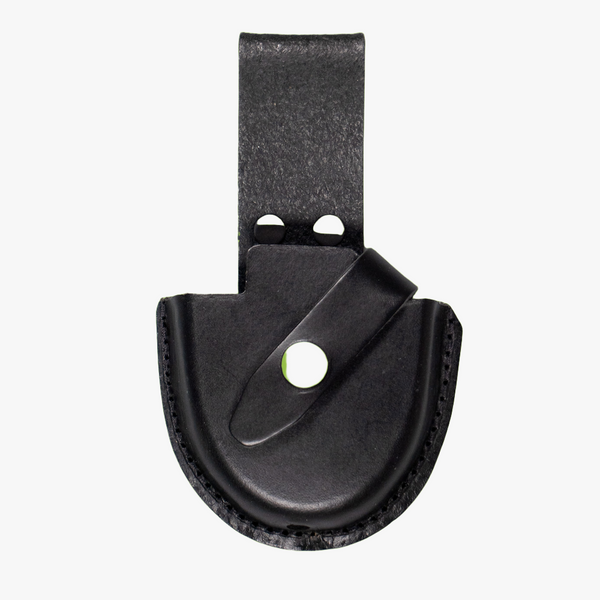
Cutting tools that get through clothing, belts and straps without reaching the skin. S-CUT clothing shears, roller knives and multi-tools from ES Equipment, the Benchmade Rescue Hook, plus holsters and wall mounts. Equipment used prehospitally by the very people who chose it.
Cutting tools — alla produkter
Vanliga frågor om cutting tools
Can a cutting tool injure the patient?
The design is meant to prevent it: the blade sits recessed behind a glide edge that runs against the skin, so the tool cuts the fabric and not the patient. It is still a sharp tool — pull along the body, not across it, and avoid cutting over objects lodged in the tissue.
Does it cope with seat belts and heavy fabric?
Yes, that is exactly what they are built for. Belts, jeans, workwear and straps part in a single pull, whereas ordinary scissors snag or need several attempts. Never sharpen or regrind the blade yourself — spare parts and replacement blades are available for the S-CUT models.
Where should the tool be kept?
Somewhere you can reach with one hand: a holster on the belt, the pocket of the emergency bag, or a wall mount at the first aid station. A cutting tool lying loose at the bottom of a bag will not be found when things are urgent, dark or stressful — where you put it is half the function.
Guider för Cutting tools
Jämförelser av utrustningen i den här kategorin, skrivna av våra anestesiologer.
Stoppa blödning — så gör du i rätt ordning
Skriven av Hjärtgruppens redaktion — anestesiologer och instruktörer inom prehospital akutsjukvård. En kraftig yttre blödning kan ta livet av en frisk människa på några...
Första hjälpen — komplett guide av anestesiologer
Skrivet av Hjärtgruppens redaktion — anestesiologer och instruktörer inom prehospital akutsjukvård. Senast uppdaterad februari 2026. Varje år inträffar hundratusentals olyckor i Sverige som kräver...
Immobilisation after injury – splints and first aid
Immobilisation means limiting movement in an injured body part. For a suspected fracture, first aid focuses on supporting the body part, avoiding unnecessary movement...