Capillary blood sampling
Capillary samples are taken on the side of the fingertip in adults and on the sides of the heel in infants, using a safety-engineered single-use lancet chosen by penetration depth.
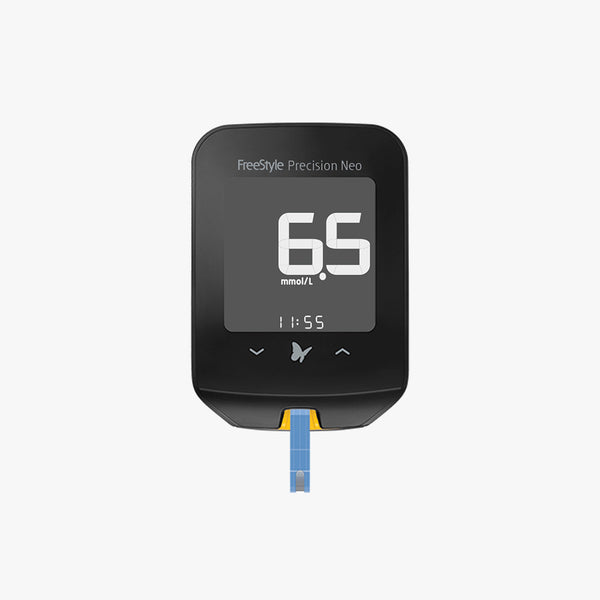
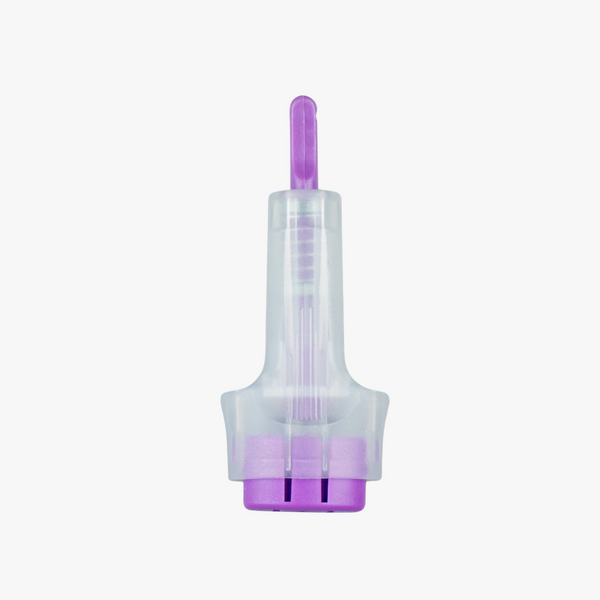
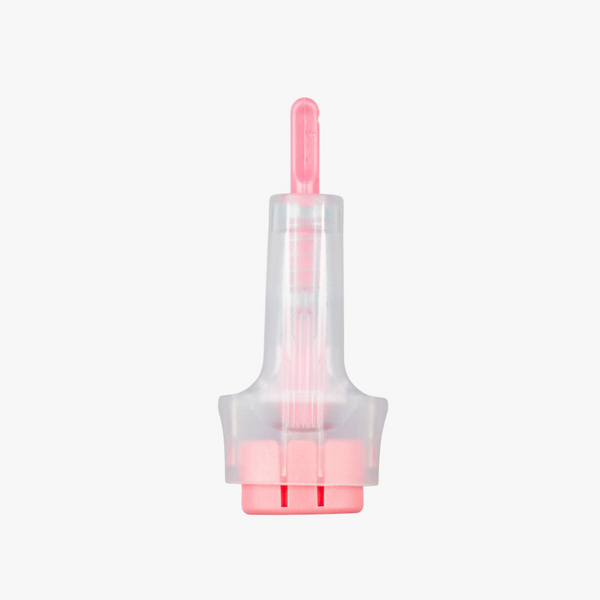
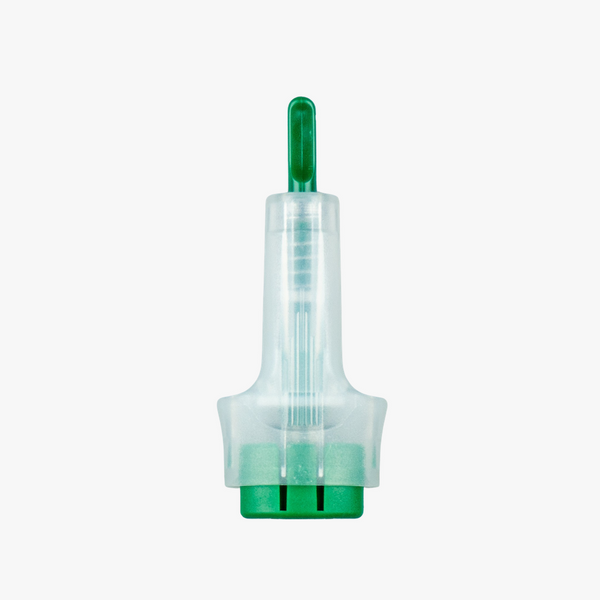
Safety-engineered single-use lancets for capillary blood sampling — Sarstedt Safety-Lancet in 1.2, 1.6 and 1.8 mm penetration depth, plus test strips for blood glucose. For GP surgeries, community nursing, school health services and self-monitoring.
Capillary blood sampling — all products
Vanliga frågor om capillary blood sampling
Which lancet should be used on children?
The penetration depth should be matched to age: 1.2 mm for infants, 1.6 mm for children and 1.8 mm as the standard choice for adults. On infants the sample is also taken on the sides of the heel and not on the finger. Too long a lancet increases the pain without giving more blood.
Where on the finger should you puncture?
On the side of the fingertip, on the middle or ring finger. The skin there is thinner and the sensation less dense than in the middle of the pulp, which makes the puncture less painful. Avoid the thumb and index finger, which are used most, and avoid skin that is cold, swollen or scarred.
Why should the first drop be wiped away?
The first drop contains tissue fluid and residue from the skin, which can dilute the sample and give misleading values. Wipe it away with a dry gauze swab and use the next drop. Let the blood come by itself instead of squeezing, for the same reason.