Training products
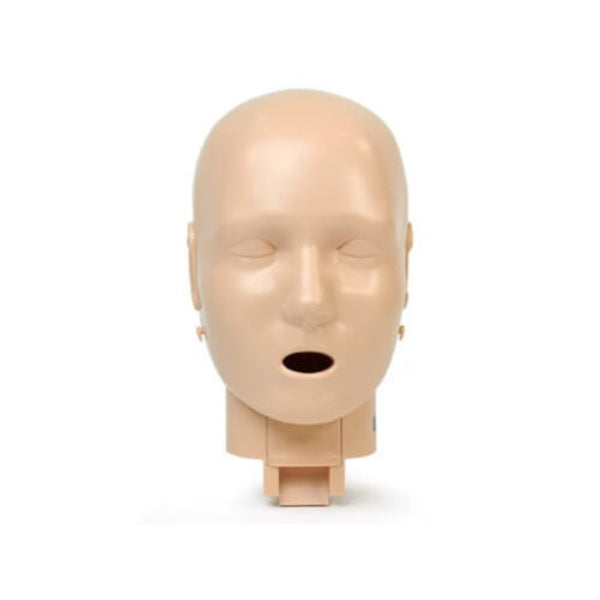
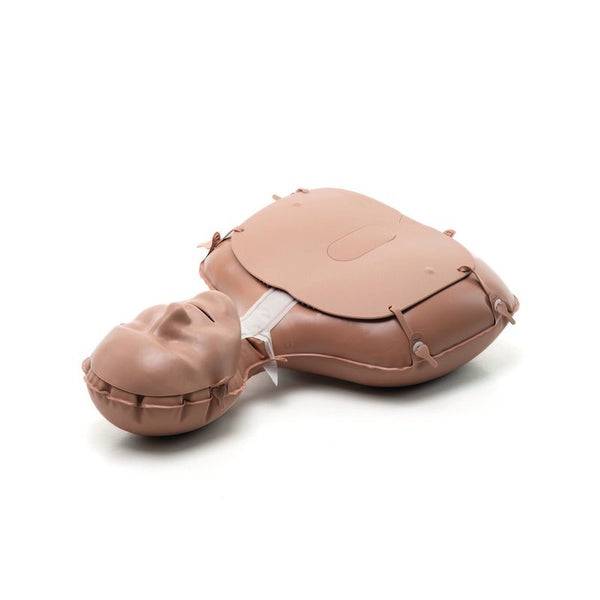
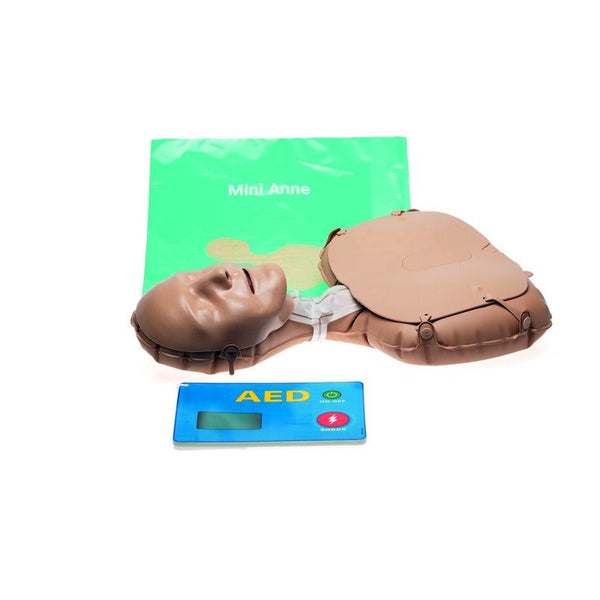
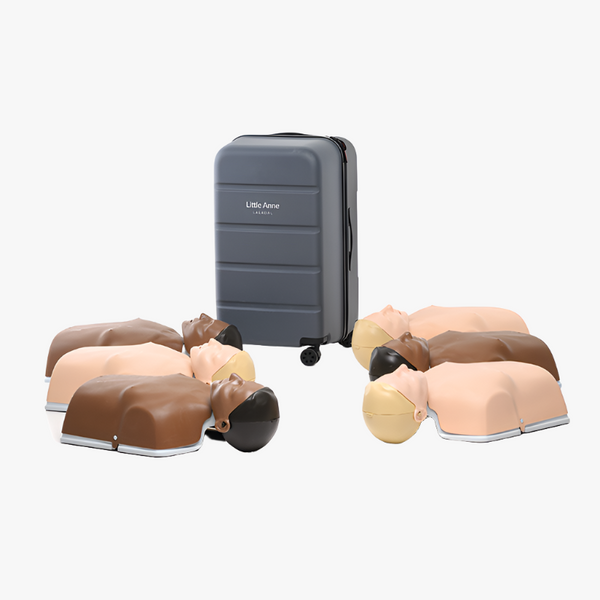
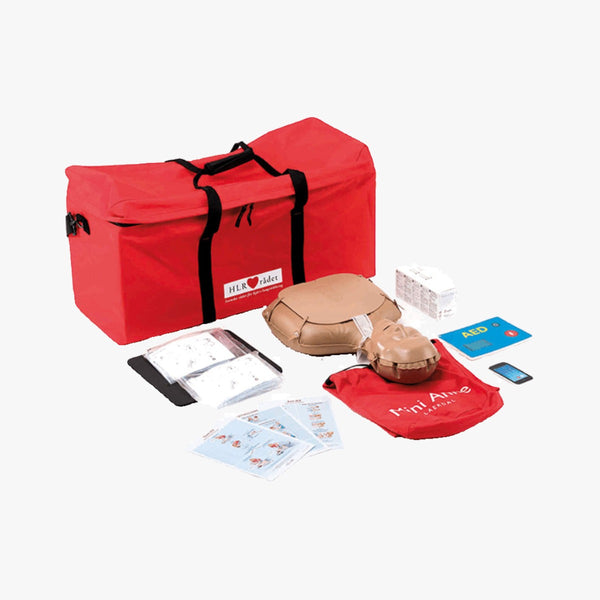
A CPR manikin is chosen by target group — Little Anne or Mini Anne for compressions in groups, Resusci Anne for full scenario training, with or without QCPR feedback.
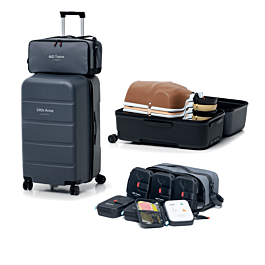
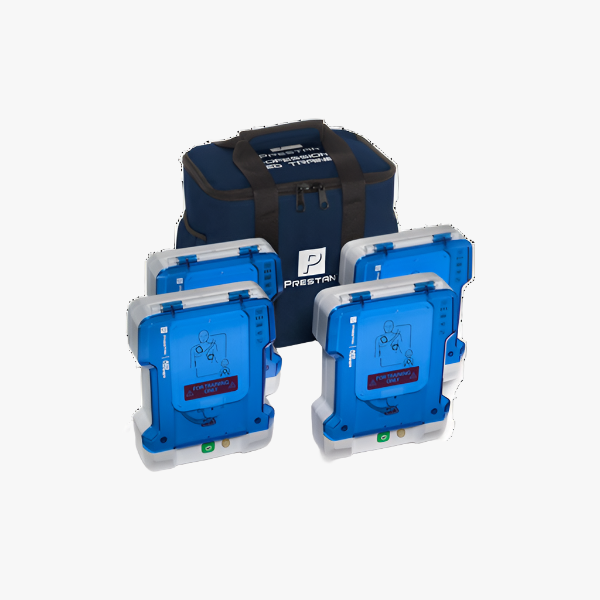
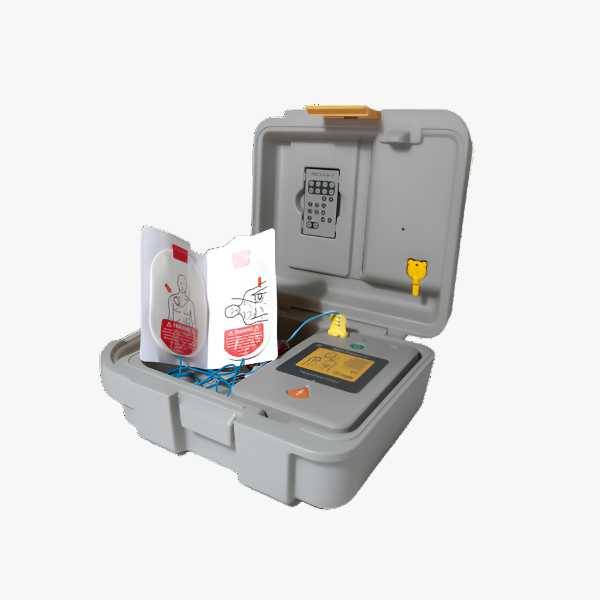
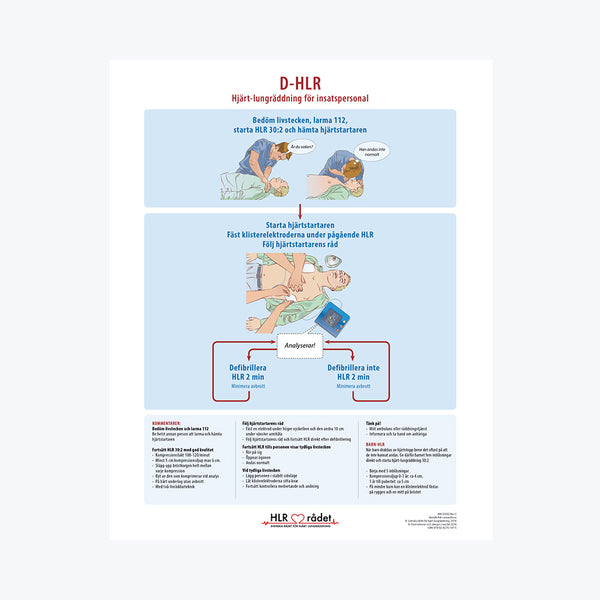
CPR manikins, AED trainers and course materials for professional CPR training — chosen by instructors who run the courses themselves. Laerdal Little Anne and Resusci Anne, Prestan Professional and Ultralite, AED trainers from Philips and HeartSine, plus the Swedish Resuscitation Council's action plans and competence cards. Read our [CPR manikin guide](/blogs/guider/hlr-dockor-guide) to choose the right model.
Vanliga frågor om training products
What is the difference between Little Anne, Mini Anne and Resusci Anne?
Little Anne and Mini Anne are torso manikins for compressions and rescue breaths in groups — Mini Anne is the most compact and the least expensive. Resusci Anne is the instructor manikin for full scenario training and comes as a torso or a full body, where the full body also allows the recovery position and moving the casualty. All three are available with or without QCPR.
What is QCPR and do I need it?
QCPR is Laerdal's technology for real-time feedback on compression depth, rate and chest recoil, via an app or a light indicator on the manikin. It makes the learning measurable instead of relying on the instructor's eye, and is particularly valuable with large groups. Basic training on a smaller scale manages without it.
Do I need a separate manikin for children and infants?
Yes. Little Baby, Mini Baby and Resusci Baby are built to the right size and chest stiffness for child and infant CPR. An adult manikin gives the wrong resistance and the wrong feel for compression depth, which makes the technique hard to transfer to a real situation with a child.
What is included in a complete CPR course package?
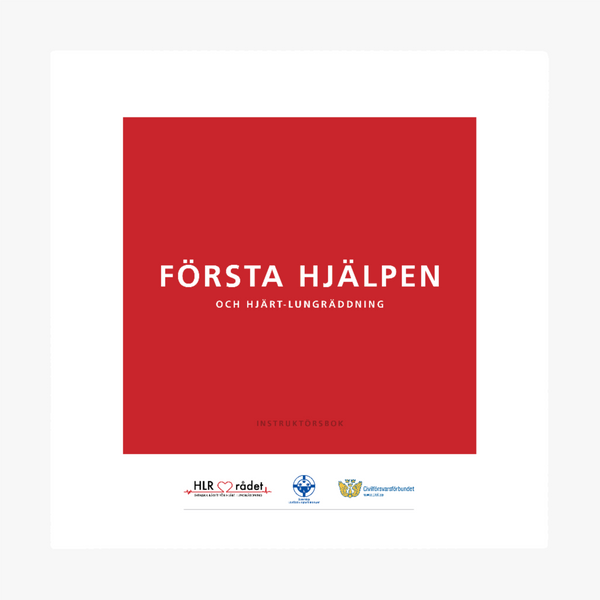
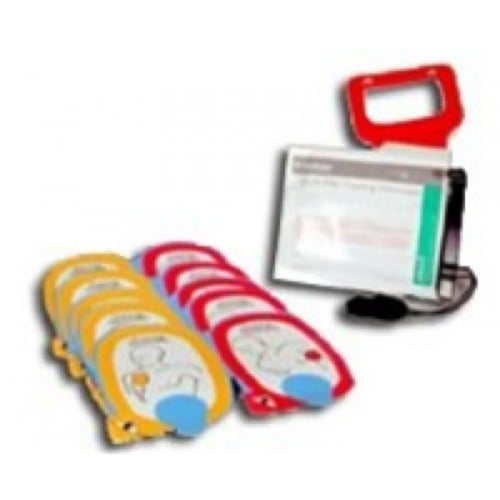
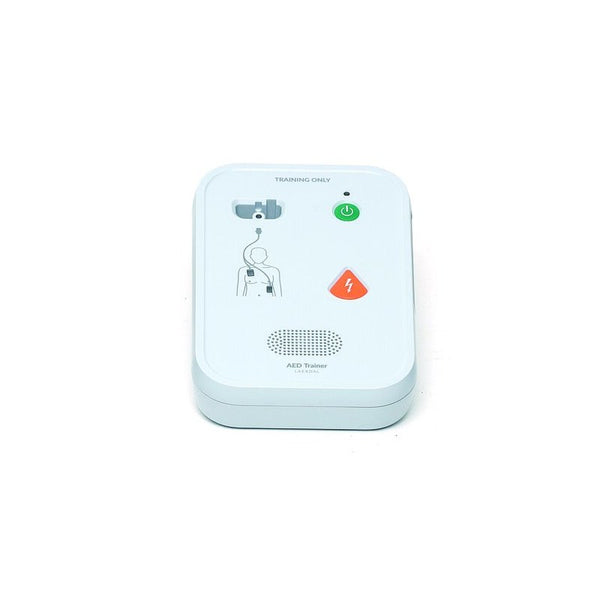
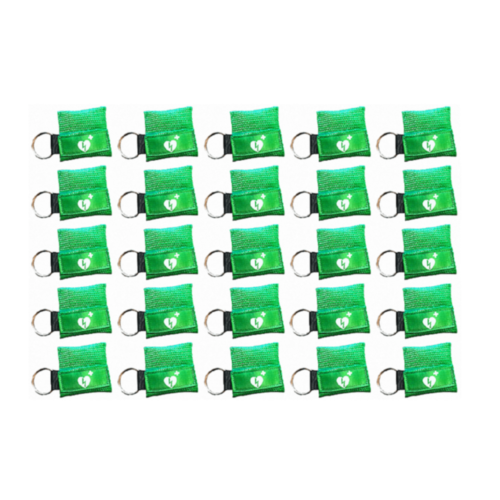
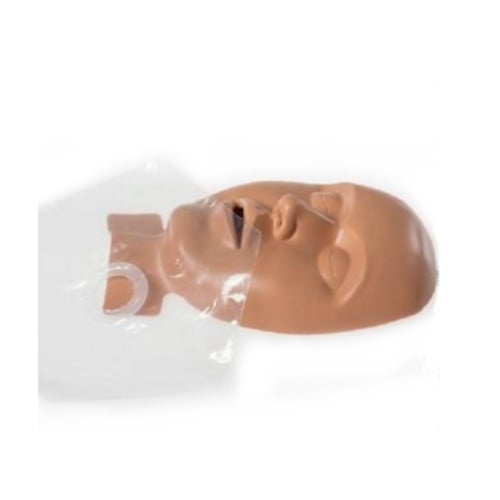
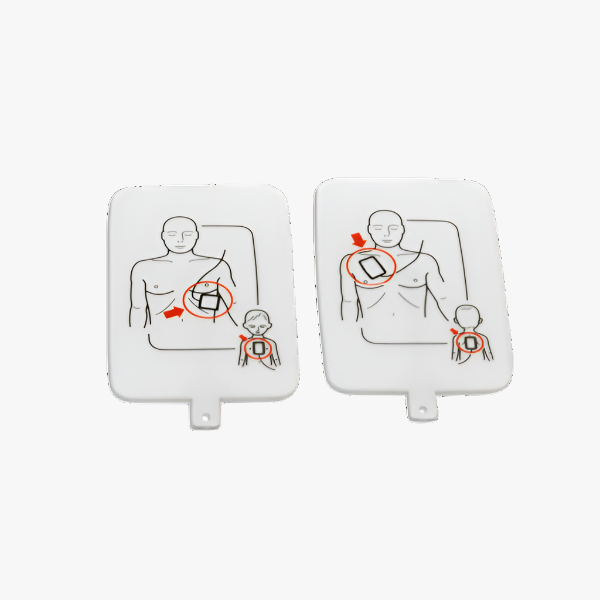
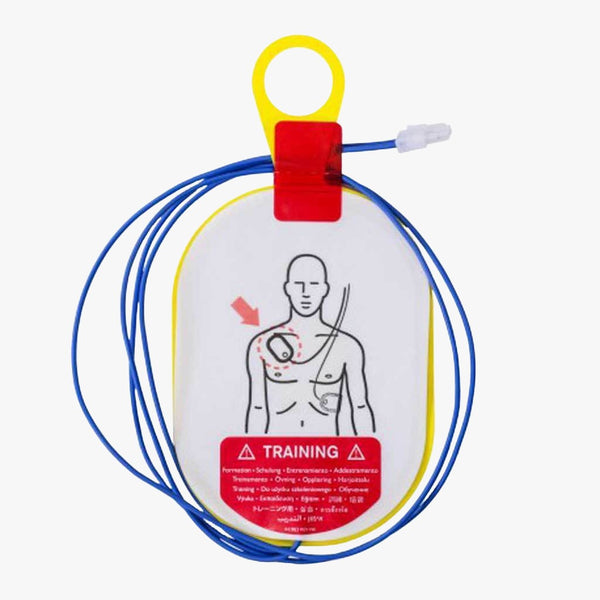
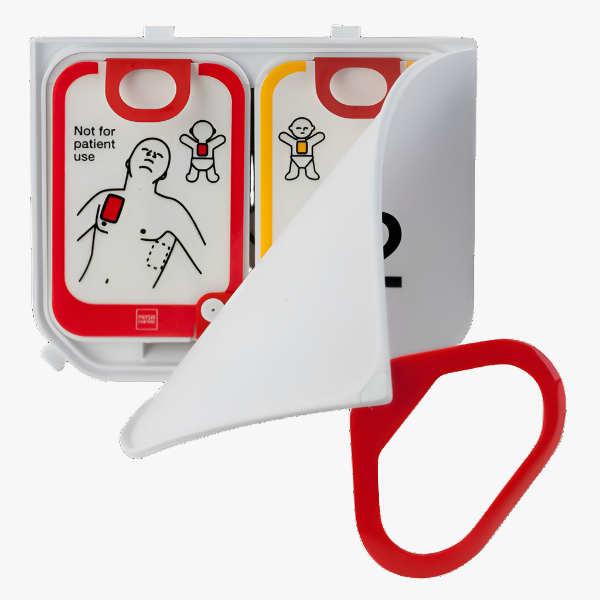
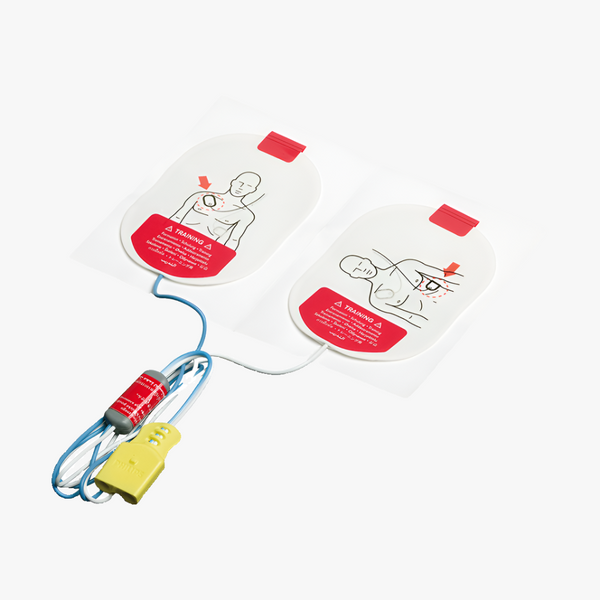
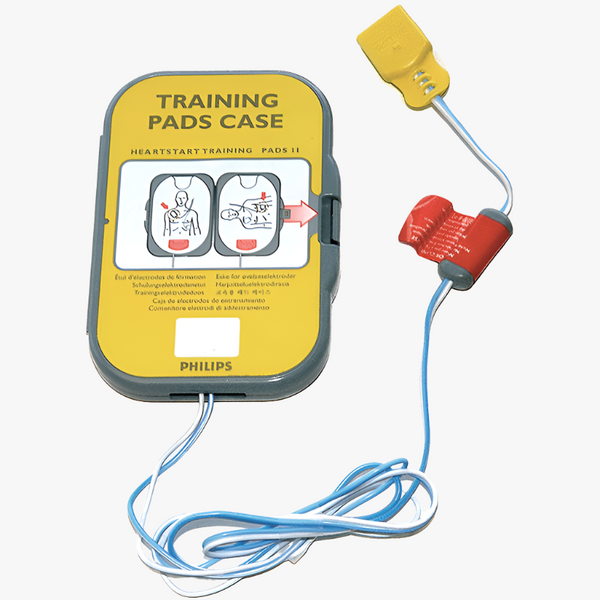
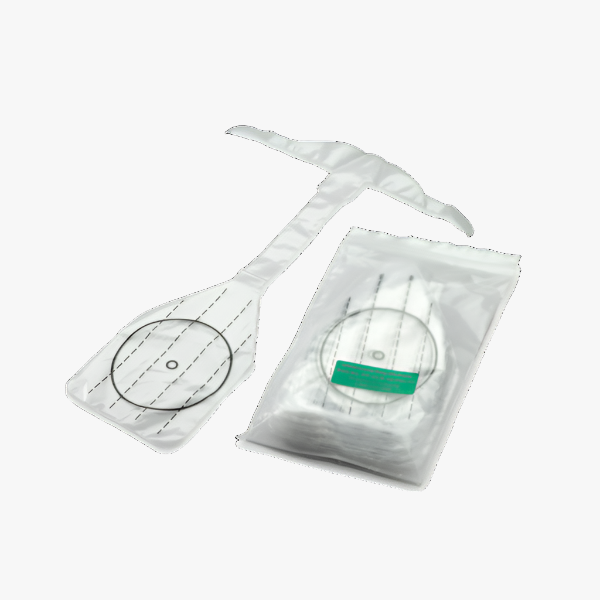
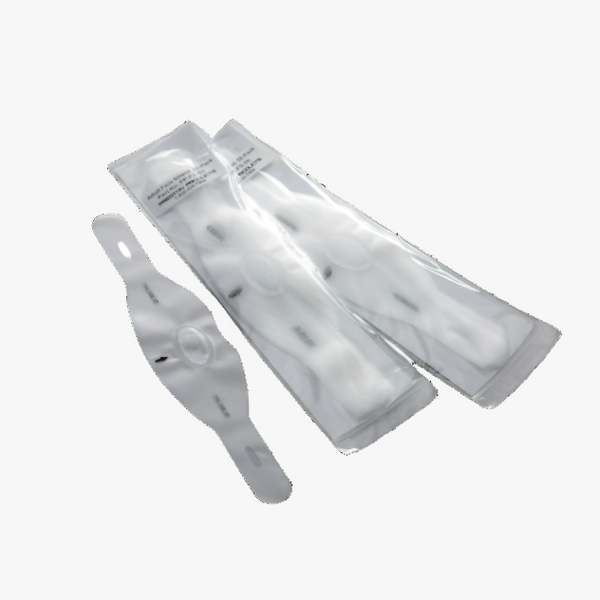
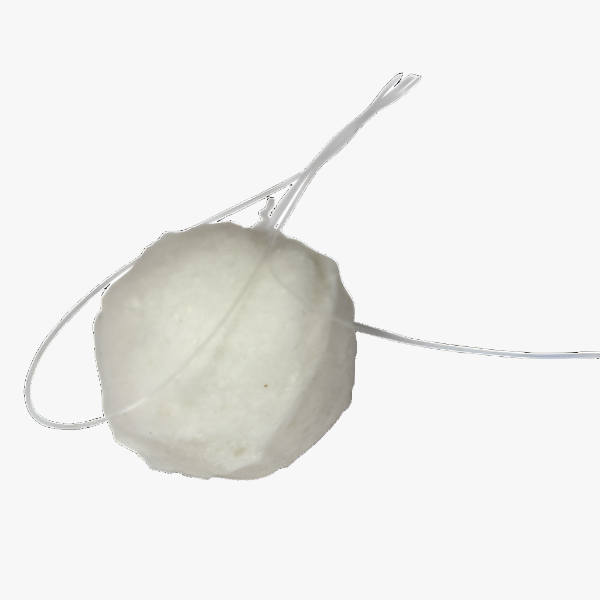
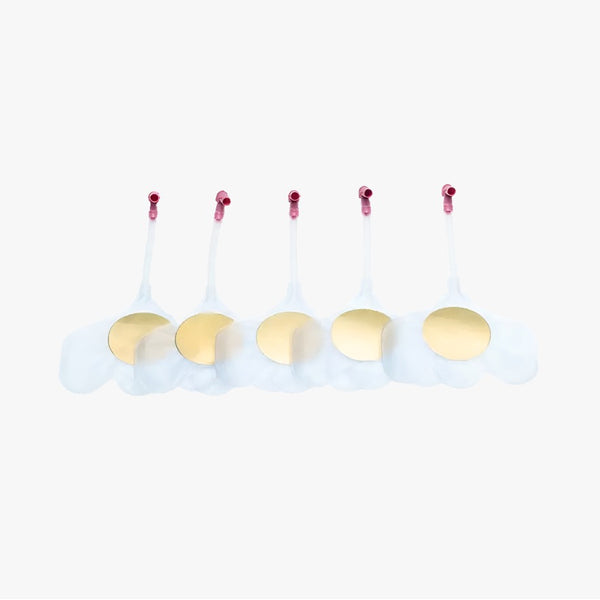
A manikin suited to the target group, the Swedish Resuscitation Council's action plan and course book for the course type in question (adult CPR, paediatric CPR or CPR with defibrillation), competence cards for the participants and a pocket mask for practising barrier-protected rescue breaths. AED trainers take consumable training pads that wear out at every session and need topping up before the next course.
What is a pocket mask and when is it used?
A pocket mask is a barrier mask with a one-way valve that protects the person giving rescue breaths from direct contact with the casualty's exhaled air and body fluids. It is used for CPR on both adults and children and is part of the equipment in most workplaces and ambulances. See [the guide](/blogs/guider/pocketmask-hlr-guide) for how it is applied.
Guides for Training products
Jämförelser av utrustningen i den här kategorin, skrivna av våra anestesiologer.
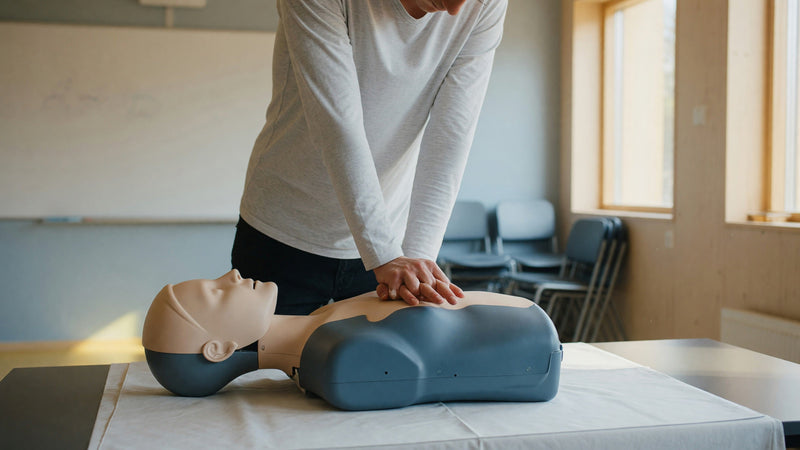
HLR — komplett guide till hjärt-lungräddning 2026
Skrivet av Hjärtgruppens redaktion — anestesiologer och HLR-instruktörer med klinisk erfarenhet av prehospital akutsjukvård. Baserat på ERC 2021 och Svenska HLR-rådets riktlinjer. Senast uppdaterad...
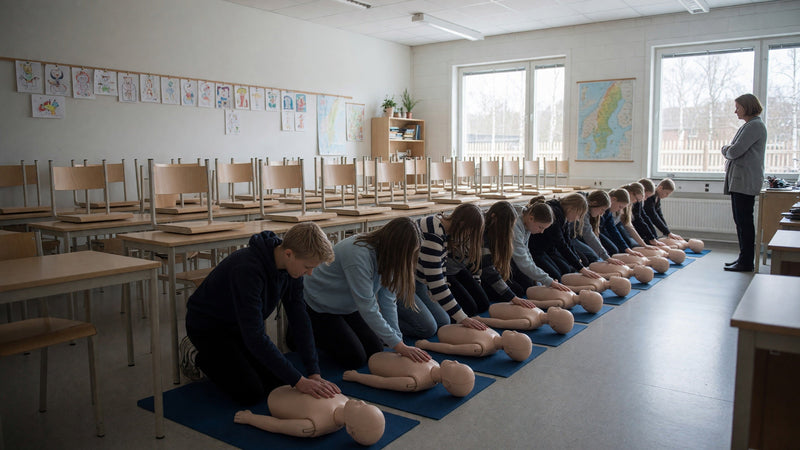
Mini Anne HLR — utbildning för skolor & arbetsplatser
Skrivet av Hjärtgruppens redaktion — anestesiologer och HLR-instruktörer med klinisk erfarenhet från prehospital akutsjukvård. Varje år drabbas omkring 10 000 personer av hjärtstopp utanför...
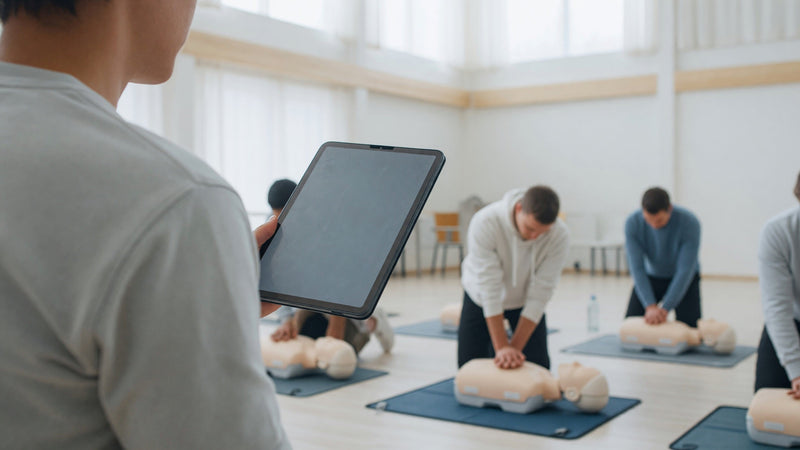
QCPR — vad är det? Guide till HLR-feedback
Skrivet av Hjärtgruppens redaktion — anestesiologer och instruktörer inom prehospital akutsjukvård. Kvaliteten på bröstkompressioner är den enskilt viktigaste faktorn för överlevnad vid hjärtstopp. Trots...