Plasters
Fabric plasters move with the skin and stay best on fingers and joints, plastic plasters are the cheapest for dry environments, and film dressings with a pad withstand a shower.
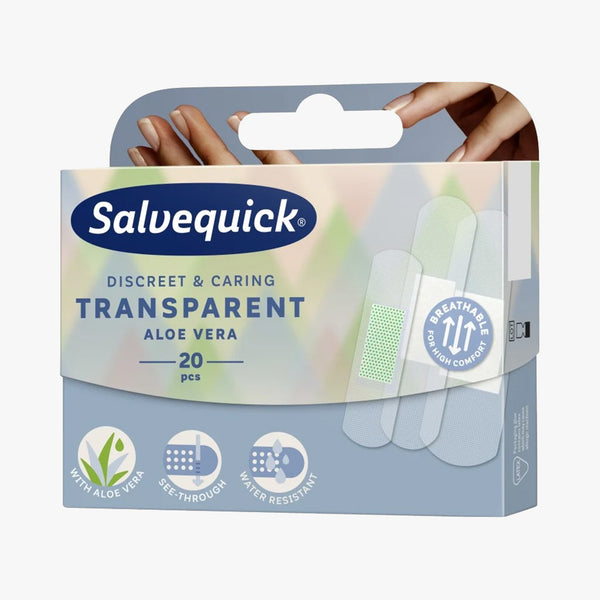
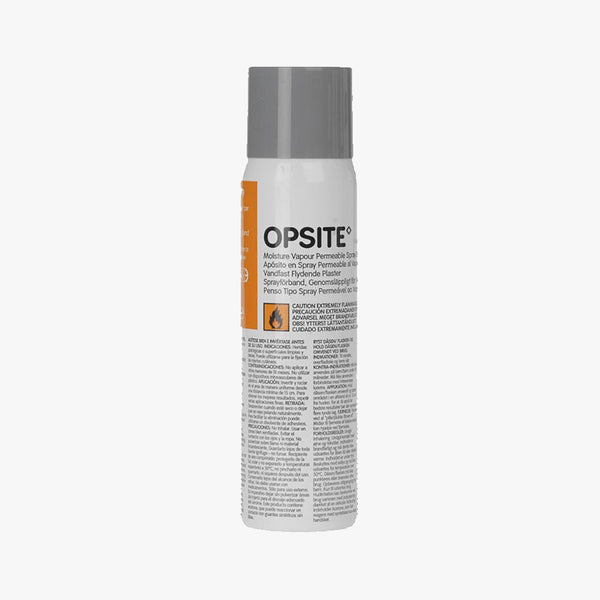
Plasters for the workplace, the clinic and the home: fabric, plastic, waterproof and blue detectable for the food industry. Tegaderm and film dressings with a pad for wounds that need to stay clean and visible, plus plaster dispensers and spray plasters. Cederroth, Salvequick, Vitri, Steroplast and 3M.
Plasters — alla produkter
Alla 74 produkter visas
Vanliga frågor om plasters
What is a film dressing with a pad and when is it suitable?
A transparent film dressing with an absorbent pad in the middle. The film is waterproof on the outside but lets moisture out from underneath, which means the dressing withstands a shower while the skin still breathes. It suits sutured wounds, grazes and wounds with light exudate — and lets the dressing stay in place for longer.
Why are blue plasters used in the food industry?
The colour does not occur naturally in food, so a plaster that comes off is immediately visible in the product. Detectable versions also have a metal strip built in that is picked up by the line's metal detector. Together this means a product can be stopped instead of reaching the customer.
Can you keep a plaster on a wound all the time?
A clean, superficial wound heals well under a plaster for the first few days, as long as the dressing is changed when it becomes wet or dirty. If the same plaster is left on too long, the surrounding skin softens. Once the wound dries up and stops weeping it usually needs no dressing at all.
Guider för Plasters
Jämförelser av utrustningen i den här kategorin, skrivna av våra anestesiologer.
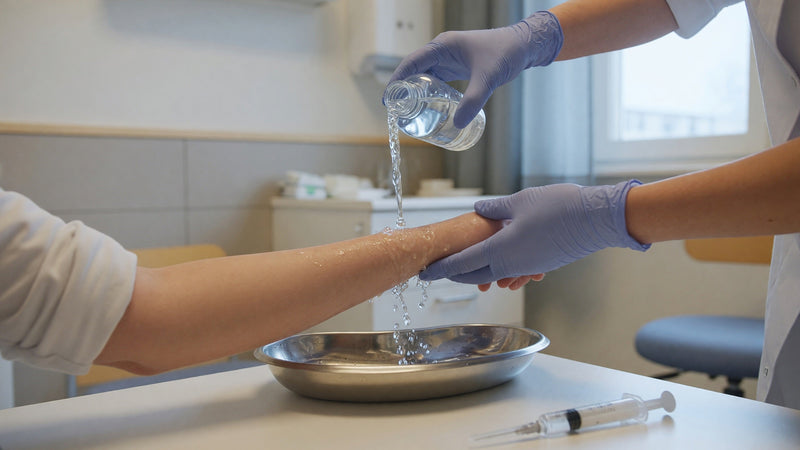
Natriumklorid 9 mg/ml — vad koksaltlösning används till
Skriven av Hjärtgruppens redaktion — anestesiologer och instruktörer inom prehospital akutsjukvård. Natriumklorid 9 mg/ml är den mest använda vätskan i svensk sjukvård och samtidigt...
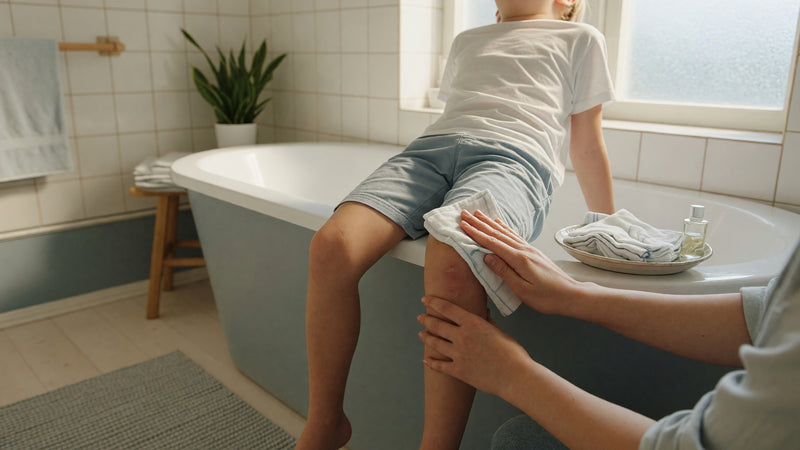
Klorhexidin sårtvätt — så rengör du sår på rätt sätt
Skrivet av Hjärtgruppens redaktion — anestesiologer och instruktörer inom prehospital akutsjukvård. Uppdaterad februari 2026. Korrekt sårrengöring är det viktigaste steget för att förhindra infektion...