Hunting
What saves lives out hunting is bleeding control — tourniquet, haemostatic dressing and pressure dressing — because the distance to an ambulance is counted in tens of minutes.
Equipment for the hunting party, chosen on a single premise: help is a long way off. Tourniquets, haemostatic dressings, chest seals and whatever stops a heavy bleed there and then. The range is the same as the one used prehospitally — not a watered-down version for recreational use.
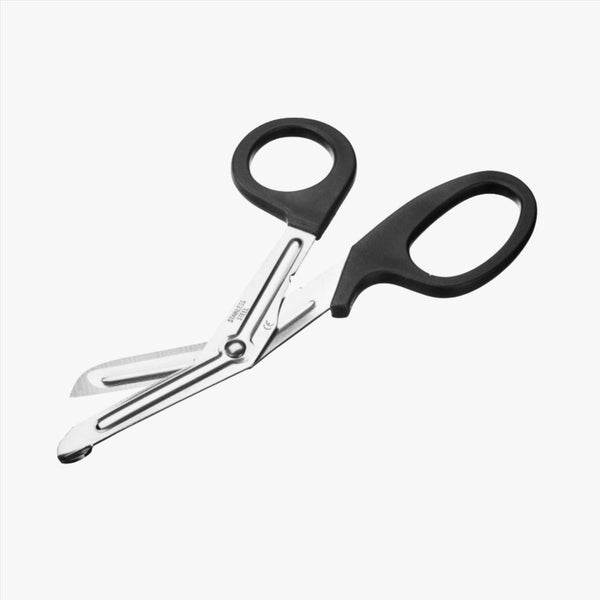
Frequently asked questions about hunting
May a hunter use a tourniquet without training?
Yes. A tourniquet is designed to be applied by whoever is on the scene, and there is no training requirement for using one on a life-threatening bleed. Read the instructions and practise before the season — the procedure takes under a minute once you have done it before, and considerably longer the first time in darkness and stress.
How long can a tourniquet stay on?
Considerably longer than most people think. In prehospital care several hours are accepted when the alternative is bleeding to death, and it should therefore not be released by the person who applied it — that is a decision for the medical services. Note the time and pass the information on at handover.
What is the difference between a haemostatic dressing and an ordinary pressure dressing?
A pressure dressing stops the bleeding mechanically with pressure. A haemostatic dressing is in addition impregnated with an agent — kaolin or chitosan — that speeds up clotting where it lies against the vessel. It is used when the wound sits where pressure or a tourniquet is not enough, and it has to be packed down into the wound cavity.
Does a hunting party need more than one kit?
Yes. The kit has to be where the injury happens, and a hunting party is spread out. A shared kit in the car complements but does not replace each person carrying at least a tourniquet and a haemostatic dressing.
Guides for Hunting
Jämförelser av utrustningen i den här kategorin, skrivna av våra anestesiologer.
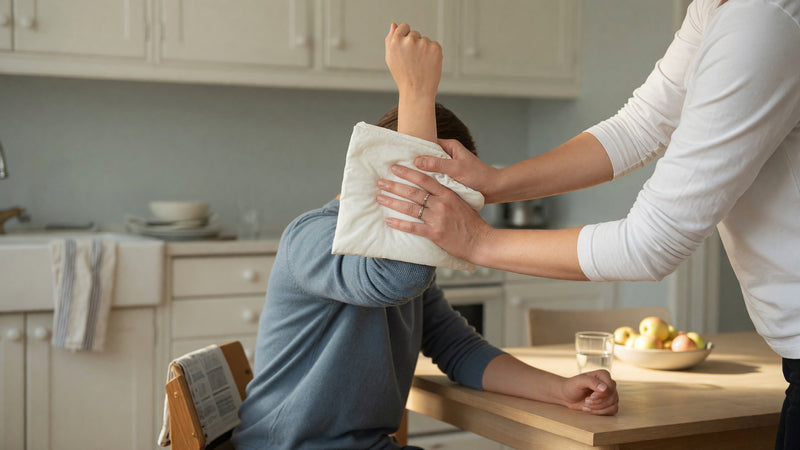
Stoppa blödning — så gör du i rätt ordning
Skriven av Hjärtgruppens redaktion — anestesiologer och instruktörer inom prehospital akutsjukvård. En kraftig yttre blödning kan ta livet av en frisk människa på några...
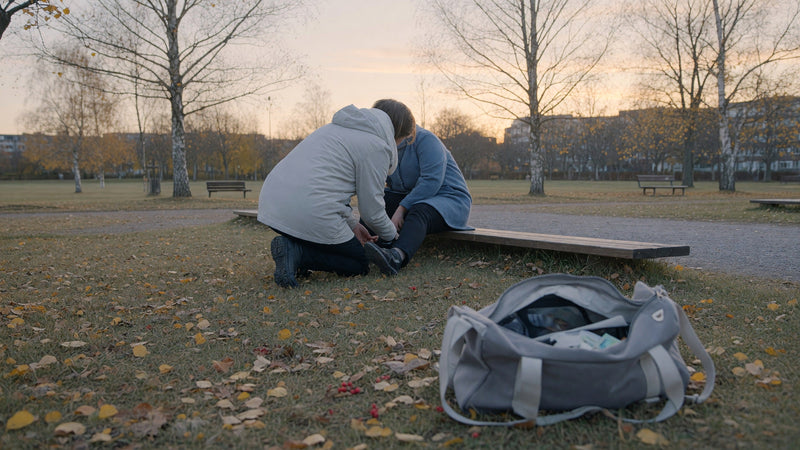
Första hjälpen — komplett guide av anestesiologer
Skrivet av Hjärtgruppens redaktion — anestesiologer och instruktörer inom prehospital akutsjukvård. Senast uppdaterad februari 2026. Varje år inträffar hundratusentals olyckor i Sverige som kräver...
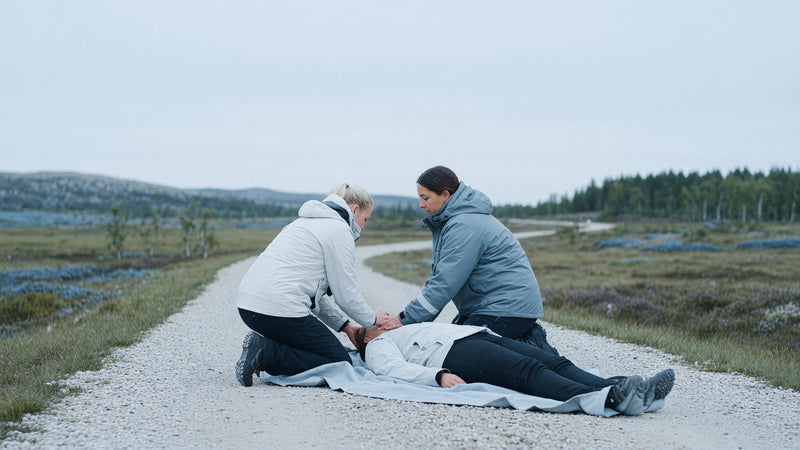
Immobilisation after injury – splints and first aid
Immobilisation means limiting movement in an injured body part. For a suspected fracture, first aid focuses on supporting the body part, avoiding unnecessary movement...