EN

Land och språk

  • Eget lager i Stockholm
  • Fakturaköp för verksamhet
  • Fri frakt över 1 000 kr
4,784 omdömen på Google order@hjartgruppen.se

Wound care

Good wound care starts with cleansing, then a choice between a plaster, an absorbent dressing or suture strips depending on the size and depth of the wound.

Wound care products for everyday and professional use — chosen by anaesthetists who see wound healing in their clinical work. Plasters, gauze swabs, suture strips and tape from 3M, Leukoplast, Vitri, Snögg, Evercare and Steroplast.

Filtrera och sortera
Sortera

Wound care — alla produkter

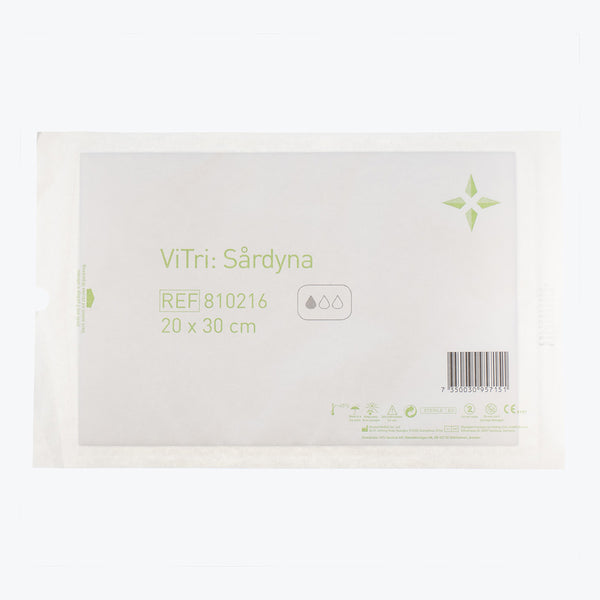
ViTri sterile absorbent wound pad 20 × 30 cm – pack of 50Vitri
1,038 kr830 kr Translation missing: en.products.product.ex_vat
Translation missing: en.products.product.low_stock

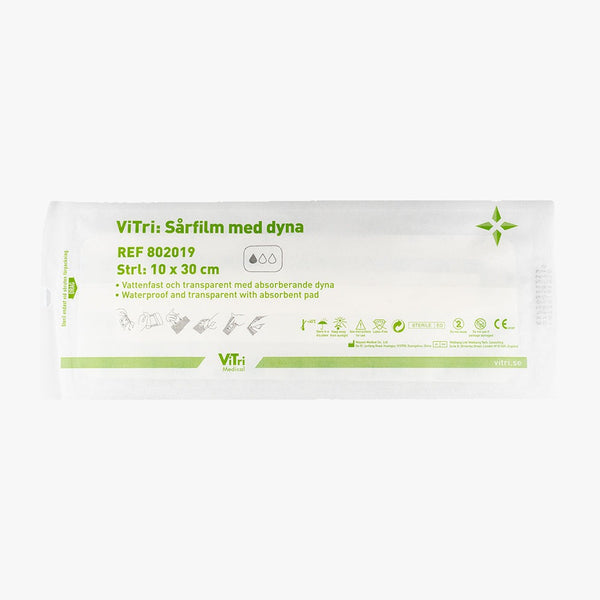
ViTri film dressing with pad 10 × 30 cm – pack of 50Vitri
875 kr700 kr Translation missing: en.products.product.ex_vat
Translation missing: en.products.product.available

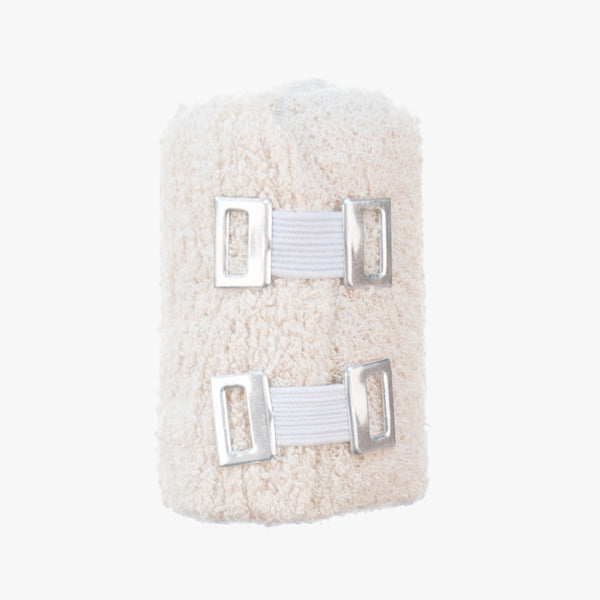
Steroplast Sterocrepe elastic crepe bandage 7.5 cm × 4.5 mSteroplast
59 kr48 kr Translation missing: en.products.product.ex_vat
Translation missing: en.products.product.available

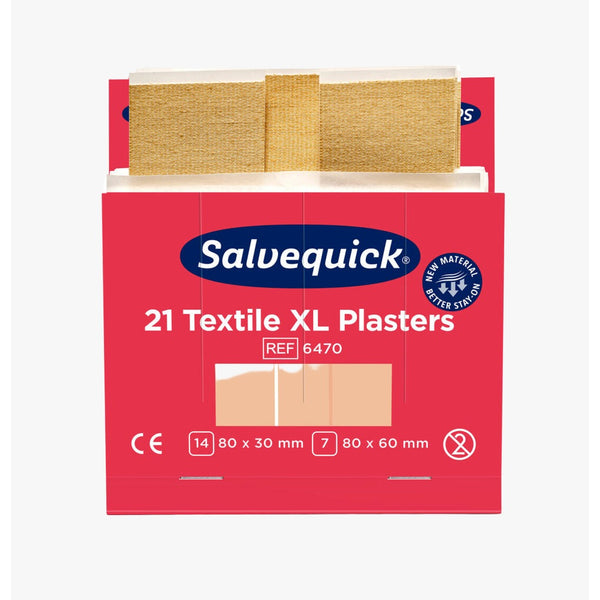
Cederroth Extra Large Textile Plaster 6 boxesCederroth
491 kr393 kr Translation missing: en.products.product.ex_vat
Translation missing: en.products.product.low_stock

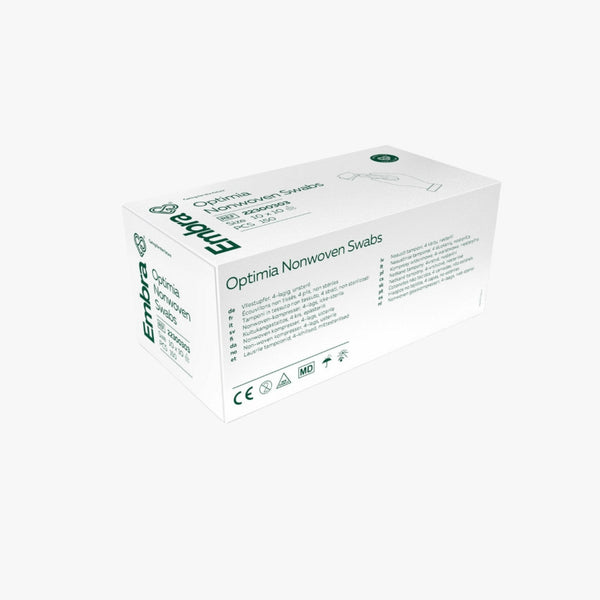
Compress Embra — Nonwoven 4L 10 x 10 cm non-sterile 150 pcsSelefa
39 kr31 kr Translation missing: en.products.product.ex_vat
Translation missing: en.products.product.sold_out

Alla 149 produkter visas

Wound care for wounds that should heal properly

Hjärtgruppen sells wound care products used daily in healthcare, home nursing and first aid work. The range covers the whole chain from cleansing to fixation: dressings, gauze swabs, wound cleansing, tape and adhesive plaster, retention bandages and gloves. Bulk packs for organisations and single packs for home use sit side by side in the same range.

Brands we stand behind

  • 3M — Steri-Strip suture strips and Tegaderm film dressings, standard in both healthcare and home use.
  • Leukoplast — porous, waterproof and silk tape (Leukopor, Leukoflex, Leukosilk) for different skin sensitivities.
  • Vitri — suture strips, zinc oxide tape and self-adhesive foam dressings in several widths and lengths.
  • Snögg — self-adhesive absorbent foam dressings for finger, scalp and general wounds, and they tolerate damp working environments.
  • Evercare and Steroplast — sterile swabs and absorbent dressings for direct wound contact.
  • Embra — non-sterile nonwoven swabs for padding and protection where wound contact is not the main purpose.

Who buys wound care products from us

  • Health centres, home nursing and municipal care services restocking consumables for dressing changes.
  • Schools, sports clubs and workplaces that require wound care in their first aid stations.
  • The food industry and workshops where self-adhesive foam dressings withstand water and tough working conditions.
  • Private individuals and family carers who manage dressing changes at home.

How to choose the right wound care product

Always start with cleansing — a wound dressed while dirty heals less well. For superficial wounds an ordinary plaster or quick dressing is often enough. Wounds with more exudate need an absorbent dressing or a sterile swab, while smaller cuts with smooth, tension-free edges can often be held together with suture strips instead of stitches.

Transparent film dressings such as Tegaderm keep the wound protected and waterproof on the outside while the skin breathes underneath — good in the shower and over catheter insertion sites. Choose tape according to skin sensitivity: porous and waterproof leukoplast for normal skin, silk tape for frequent dressing changes or sensitive skin.

Sterile products should always lie directly against an open wound. Aseptically clean but non-sterile swabs are suitable for padding and fixation, not for wound contact. If the dressing is to stay in place for a long time, or be changed often without tape directly on the skin, hold it in place with a retention bandage instead — gentler on skin that is already fragile. Whoever changes the dressing should always wear gloves, both for their own sake and to avoid bringing dirt into the wound.

Not sure what your organisation needs? Contact us or request a quote.

Vanliga frågor om wound care

What is the difference between suture strips and an ordinary plaster?

Suture strips (steri-strip) pull the wound edges together and hold them in place — an alternative to stitches for smaller, straight wounds without tension in the skin. An ordinary plaster protects and covers without drawing the wound together. For deep wounds, wounds that gape or heavy bleeding, healthcare staff should assess whether suture strips are enough or whether stitches are required.

What is Tegaderm and when does it suit better than an ordinary plaster?

Tegaderm is a thin, transparent film dressing that lets moisture and oxygen through but is waterproof on the outside. It works well over catheter insertion sites and smaller superficial wounds or chafing wounds that need to be kept clean and visible while they heal, and in the shower. For wounds with a lot of exudate an absorbent dressing is needed instead.

Which tape suits sensitive skin?

Silk tape such as Leukosilk is softer on the skin and suits frequent dressing changes or known skin sensitivity. Porous leukoplast breathes better and suits most people. Waterproof tape keeps the dressing in place in the shower and when sweating, but it can irritate sensitive skin with prolonged use — test it on a small area of skin first.

When is an absorbent dressing needed instead of a swab?

A swab covers and protects a smaller wound. An absorbent dressing is thicker and takes up more wound exudate, which is needed for larger or exuding wounds, for example after surgery. Sterile absorbent dressings should lie directly against the wound; aseptically clean but non-sterile products are better suited as fixation or padding around the dressing.

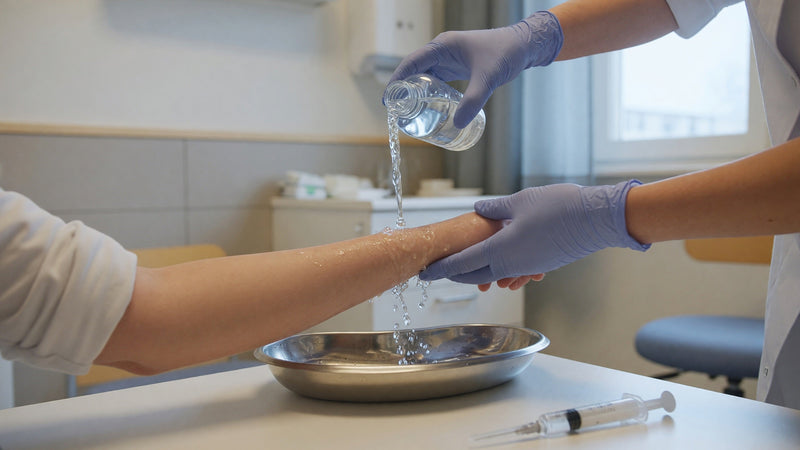
How do I clean a wound before dressing it?

Rinse with clean water or saline solution and, if needed, use a wound cleansing agent such as chlorhexidine to reduce the risk of infection. Dry the skin carefully before the dressing is applied — damp skin makes tape and adhesive plaster come loose. Our [guide to chlorhexidine and wound cleansing](/blogs/guider/klorhexidin-sartvatt-guide) goes through the procedure step by step.