First aid & trauma
Severe external bleeding is stopped with a tourniquet on arms and legs, and with a haemostatic dressing packed into the wound cavity where a tourniquet cannot reach.
Equipment for severe bleeding and acute trauma — chosen by anaesthetists who use it themselves. Tourniquets, haemostatic dressings, chest seals and immobilisation from CAT, SAM Medical, QuikClot and SWAT-T.
First aid & trauma — all products
Showing 72 of 134 products
Show 24 more productsVanliga frågor om first aid & trauma
How long can a tourniquet stay on?
Up to two hours is considered safe and is well documented in both military and civilian trauma care. Always note the time when the tourniquet is applied, either on the tourniquet or on the skin. A tourniquet that has stopped a life-threatening bleed should never be released by the person who gave first aid; that is handled by the medical services.
When is a pressure dressing enough and when is a tourniquet needed?
A pressure dressing is enough for most bleeding. Pulsating or heavily seeping bleeding from an arm or a leg that does not stop with direct pressure calls for a tourniquet, and it should be applied early rather than as a last resort. When in doubt: apply the tourniquet.
What is the difference between kaolin and chitosan dressings?
Kaolin, as in QuikClot Combat Gauze, activates the body's own clotting. Chitosan, as in ChitoSAM, adheres to the tissue and forms a plug independently of clotting ability — an advantage in someone on blood thinners. Both are packed into the wound cavity and held with direct pressure for at least three minutes.
Do chest seals need to be vented?
Vented chest seals let air out of the chest cavity and reduce the risk of tension pneumothorax. Unvented ones work too, but they require the dressing to be lifted if the patient deteriorates. If you only have one choice, choose vented — and always buy two so that both the entry and the exit wound are covered.
What should a personal bleeding control kit contain?
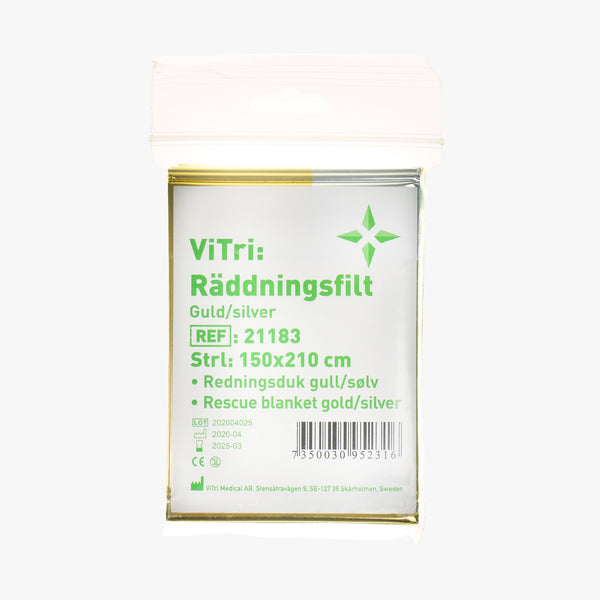
A tourniquet, a haemostatic dressing, a pressure dressing, a chest seal, gloves and a sturdy pair of shears. It fits in a pocket or a pouch on the belt. Our ready-made kits are put together on the same principle — add an emergency blanket if you are out of doors.
Guides for First aid & trauma
Jämförelser av utrustningen i den här kategorin, skrivna av våra anestesiologer.
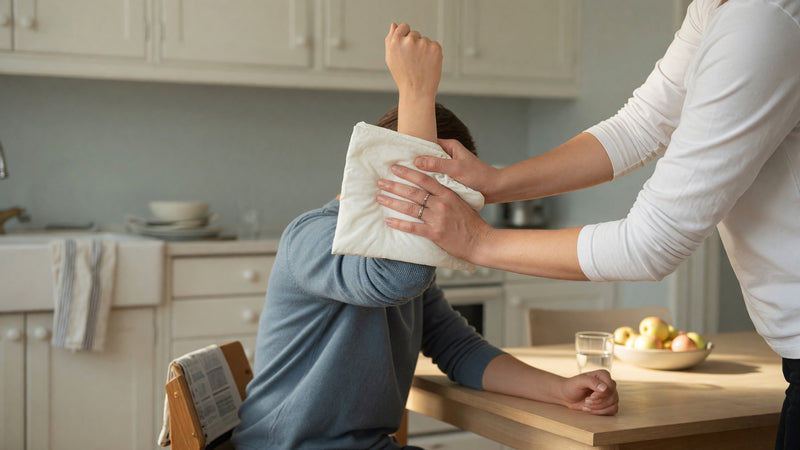
Stoppa blödning — så gör du i rätt ordning
Skriven av Hjärtgruppens redaktion — anestesiologer och instruktörer inom prehospital akutsjukvård. En kraftig yttre blödning kan ta livet av en frisk människa på några...
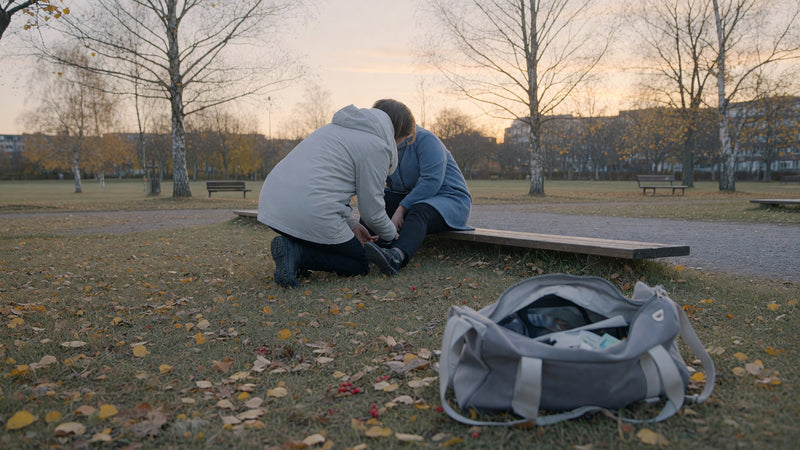
Första hjälpen — komplett guide av anestesiologer
Skrivet av Hjärtgruppens redaktion — anestesiologer och instruktörer inom prehospital akutsjukvård. Senast uppdaterad februari 2026. Varje år inträffar hundratusentals olyckor i Sverige som kräver...
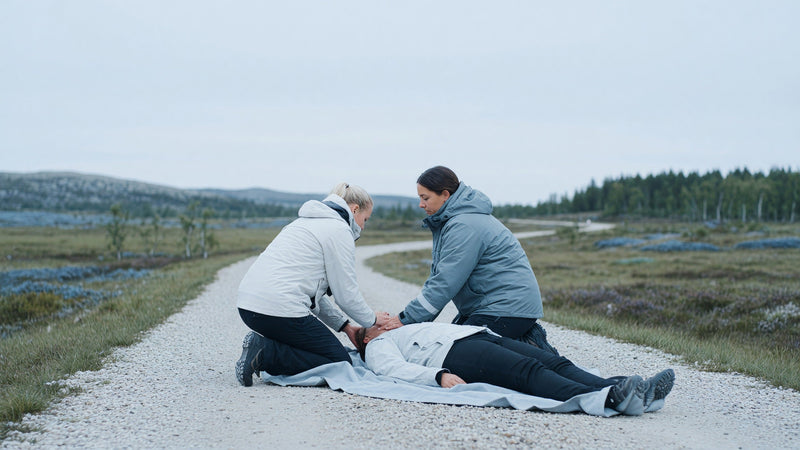
Immobilisation after injury – splints and first aid
Immobilisation means limiting movement in an injured body part. For a suspected fracture, first aid focuses on supporting the body part, avoiding unnecessary movement...